
I once stumbled upon a beachfront timeshare listing priced lower than my last used car. It felt like finding a luxury watch at a yard sale—too good to be true, yet undeniably real. This discovery sent me down a rabbit hole of why vacation ownership loses value faster than sunscreen on a windy day.
The original fixed-week timeshare model worked when families vacationed like clockwork. But as travel preferences evolved, so did the market. Owners wanting flexibility created a resale frenzy, and suddenly, those “lifetime investments” started selling for pennies. Developers might charge $50,000 upfront, but resale listings often sit at 90% discounts. Talk about sticker shock!
What I uncovered wasn’t just about supply and demand. Hidden fees, aggressive sales tactics, and the lack of developer perks turn these properties into financial hot potatoes. The industry’s best-kept secret? That shiny new purchase loses value faster than you can say “all-inclusive margarita.”
I’ll unpack how marketing budgets inflate prices, why maintenance costs haunt owners, and what makes the resale market the wild west of vacation deals. Consider this your backstage pass to understanding the real cost of paradise.
Key Takeaways
- Resale prices often drop 90% compared to developer costs
- Flexible vacation trends devalued fixed-week ownership models
- Hidden fees and maintenance costs impact resale potential
- No developer incentives on secondary market purchases
- Oversupply creates buyer-friendly negotiation opportunities
- Thorough research prevents costly ownership surprises
What is a Timeshare Resale?
Timeshare resales are the travel industry’s best-kept secret—until now. Picture this: You’re getting identical beachfront access as the couple who paid full price, but your wallet isn’t crying afterward. These transactions occur when current vacation ownership holders sell their stakes directly, bypassing resort developers entirely.
Definition and Basic Concepts
Think of it like inheriting a fully-stocked vacation home without the awkward family reunions. A timeshare resale simply means purchasing someone else’s pre-owned slice of paradise. Owners typically sell because life happens—retirement plans shift, maintenance fees balloon, or wanderlust demands new horizons.
Resorts occasionally offer buyback programs, but when they don’t? That’s when the resale market thrives. I’ve seen everything from ski chalet weeks to tropical villa shares change hands here—often with the same perks as developer purchases.
How Resales Differ From Direct Sales
Buying direct from a resort is like purchasing a new car with all the bells and whistles—including the 30% dealership markup. Resales skip the shiny brochures and pressure-cooker sales pitches. You lose some developer benefits (think: loyalty points), but gain serious negotiating power.
“My first resale purchase felt like finding a twenty in last season’s jacket—unexpected, but absolutely spendable.”
The real magic? That fractional ownership you’re buying works exactly like the original. Same pools, same views, same bartender who remembers your drink order. The only difference? You didn’t fund the sales team’s annual margarita mixer.
Understanding the Timeshare Resale Market

Searching for vacation deals online feels like panning for gold these days—except the nuggets are actually timeshare resales. The secondary market for vacation ownership has become a graveyard of unrealized dreams, where desperate sellers outnumber curious buyers 50-to-1.
Market Trends and Demand
I’ve tracked listings that collect digital dust for years. One beachfront week in Florida? Priced lower than a used Jet Ski. A luxury ski week in Colorado? Cheaper than a season lift pass. The glut of inventory creates bizarre pricing that would make eBay blush.
Modern travelers ghosted fixed-week commitments faster than bad Tinder dates. Why lock into Maui every July when Bali beckons? Platforms like Airbnb offer more flavors than Baskin-Robbins, minus the lifetime membership fees. Millennials and Gen Z travelers especially—they’d rather Instagram from a treehouse in Costa Rica than a timeshare’s identical sofa.
The resale market’s reputation doesn’t help. Scam artists turned it into a Wild West show, complete with fake listings and phantom buyers. Legitimate sellers now face skepticism thicker than airport security lines. Even rock-bottom prices can’t overcome trust issues baked into the industry.
Here’s the kicker: Savvy buyers can score deals that make Black Friday look tame. But you’ll need patience—and a willingness to sift through more red flags than a matador convention.
The Evolution of Timeshare Ownership
The first timeshares were like rotary phones in a smartphone world—functional but inflexible. Back when disco ruled the airwaves, locking into the same week annually made sense. Families planned vacations like military operations, with color-coded calendars and ironclad commitments.
From Fixed-Week to Flexible Options
I’ve reviewed contracts older than my laptop that still bind owners to specific July weeks. The original model worked when vacation habits were predictable. But as spontaneity became currency, the industry faced a reckoning. Enter points-based systems—the timeshare world’s attempt at damage control.
These new options promised freedom: vacation anywhere, anytime! Except…not quite. Owners soon discovered hidden clauses thicker than resort towels. Banking points? Only during leap years. Trading weeks? Requires a PhD in fine print. The flexibility felt about as genuine as a hotel room’s “ocean view.”
“I bought points thinking I’d vacation like a rockstar. Now I need spreadsheets to book a Tuesday in Toledo.”
Modern ownership models reveal an ironic truth—more choices often mean more rules. What started as simple week swaps now resemble tax code negotiations. Yet despite the complexity, one constant remains: that time share contract still outlives most marriages.
Retail vs. Resale: The Pricing Breakdown
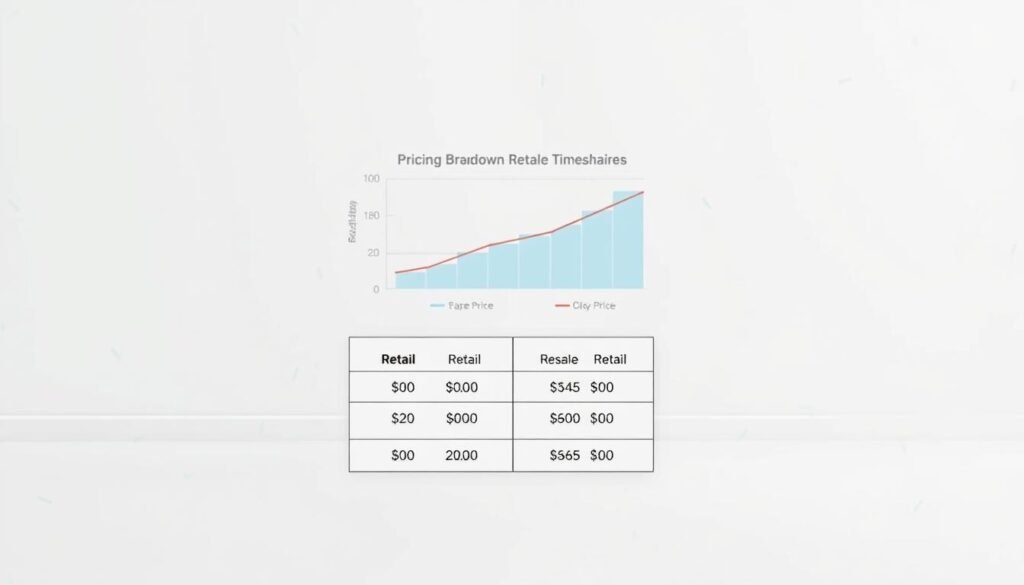
Buying a retail timeshare is like paying Broadway prices for a community theater seat. The curtain rises on identical vacation access, but your wallet takes center stage in this financial drama. Let’s dissect why developer pricing resembles a magic trick—where your money disappears faster than a free buffet shrimp.
Hidden Markup Explained
Developers bake sales theater into every purchase. My research uncovered retail markups reaching 500%—you’re not buying vacation access, you’re funding an entire circus. Those “free” resort stays? Financed by your future self through inflated pricing.
Consider glossy brochures as admission tickets. Each color photo adds $500 to the price tag. Sales teams? Their commissions alone could cover your first five years of maintenance fees. One industry insider confessed:
“We’re not selling real estate—we’re selling desperation wrapped in palm trees.”
Impact of Sales Commissions on Price
Ever wonder why resorts push timeshares harder than sunscreen? Half your purchase price often goes to commission structures. That smiling sales rep earning $20k per closing? You’re their benefactor.
Resales cut out the middleman like a vacation guillotine. No staged presentations. No scripted pitches. Just owners exiting contracts faster than tourists fleeing a rainstorm. The result? Prices reflecting actual value, not sales team bonuses.
Next time you see a retail price, imagine peeling layers off an onion. Each tear represents marketing budgets, referral bonuses, and tropical-themed PowerPoints. Resale buyers? They’re enjoying margaritas with the money saved.
Why Are Timeshare Resales So Cheap?
Imagine buying a designer bag at a thrift store—still genuine, just without the markup. That’s the resale market’s open secret. My research reveals properties originally priced at $40,000 routinely sell for under $4,000 post-ownership. Unlike cars that depreciate gradually, these contracts nosedive faster than a toddler refusing broccoli.
The magic lies in what you don’t pay for. Retail purchases fund champagne-fueled sales events and brochures thick enough to stop bullets. Resales eliminate the middleman circus—no velvet-rope presentations or “limited-time offers.” One industry vet confessed:
“We’re not selling real estate. We’re bottling FOMO and calling it investment.”
Comparative Analysis With Retail Prices
Three factors create this pricing chasm:
- Motivated exits: Owners often pay buyers to take contracts
- Zero nostalgia pricing: Emotional value evaporates faster than poolside cocktails
- Market saturation: More sellers than Bali villa Instagram influencers
While retail buyers fund resort marketing budgets, resale shoppers inherit identical perks. Same infinity pools. Same concierge services. Different financial hangover. The secondary market isn’t about quality—it’s capitalism’s reality check for vacation ownership.
Smart shoppers recognize the value isn’t in the price tag, but in avoiding the retail markup meat grinder. Why pay for the developer’s third yacht when you can vacation in style for less than a used Jet Ski?
Behind the Price: Marketing Costs and Fees
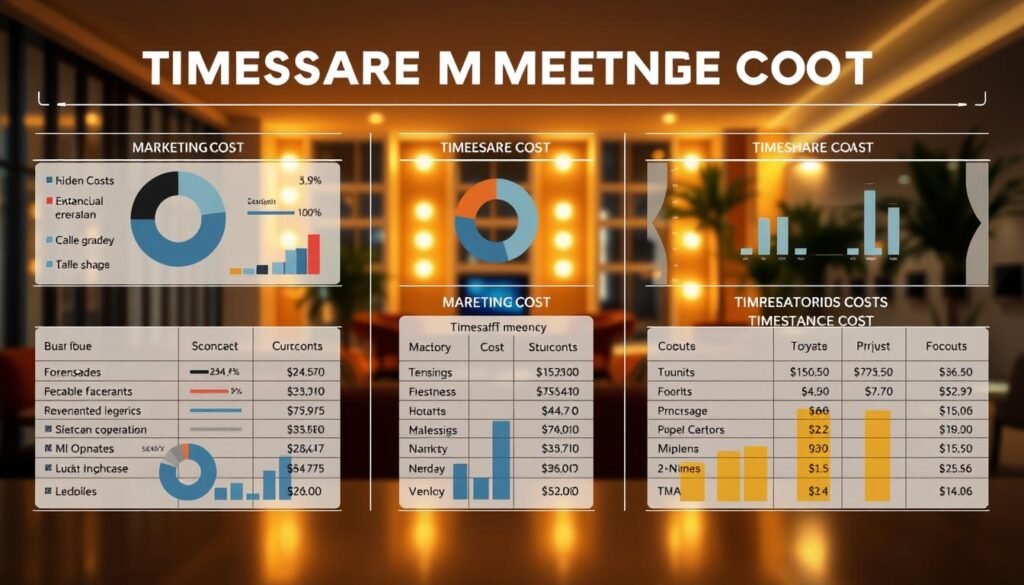
Peeling back the curtain on vacation ownership pricing reveals a carnival of hidden costs. My investigation uncovered resorts spending more on persuasion than paradise—every brochure and sales pitch gets baked into retail prices like mandatory resort fees.
Sales Commissions and Advertising Costs
That smiling sales rep offering mai tais? Their commission check could cover your entire maintenance fee for three years. Resorts allocate 40% of retail prices to marketing and sales—enough to fund a small island’s tourism board.
| Expense Category | Retail Price Impact | Resale Price Impact |
|---|---|---|
| Sales Commissions | 25-35% | 0% |
| Advertising | 15-20% | 0% |
| Model Units | 10% | Already Built |
| Legal Fees | 5% | Included |
Resorts’ Operational Expenses
Those pristine demo units aren’t maintained by magic—they’re funded through your purchase. I discovered resorts spend $2,000+ per guest on sales events: flights, steak dinners, even snorkeling tours to soften resistance.
“We’re not selling vacations—we’re manufacturing urgency at $500 per minute.”
Psychological training for staff? Paid by buyers. Contract lawyers? Your dime. Every margarita-sipping seminar becomes line items in your fees. Resales skip this circus, letting you fund vacations instead of sales theatrics.
Negotiating Your Timeshare Resale Purchase
Negotiating a resale purchase feels like haggling at a flea market where every seller’s sweating bullets. Unlike retail deals, this arena favors buyers clutching leverage tighter than a traveler’s neck pillow. Most listings come with built-in desperation—owners racing to ditch fees before next billing cycles.
Strategies for Lowering the Price
I approach deals like a chess match. First move: research recent sales of comparable units. Showing sellers proof of lower-priced closings works better than puppy-dog eyes. Second: ask about upcoming maintenance fees. Sellers facing deadlines often fold faster than a beach chair.
Timing matters more than people think. Contact owners right after annual fee notices hit mailboxes. I’ve saved thousands using this calendar hack—their urgency becomes your discount.
Key Questions to Ask Sellers
My go-to interrogation tactics:
- “What’s driving your sale?” (Divorce? Retirement?)
- “How many fees come with this baggage?”
- “Will you cover transfer costs?”
Answers reveal negotiation wiggle room. Remember: Every timeshare resale has hidden pressure points. Your job? Find them before signing anything.
FAQ
What exactly is a timeshare resale?
Think of it like buying a used car—except instead of wheels, you’re getting a slice of vacation ownership. Resales are pre-loved timeshares sold by current owners, bypassing the resort’s shiny sales office.
Why do resale prices look like they’ve been hit by a discount tsunami?
Developers inflate direct prices with marketing glitter and sales commissions. Resales skip that circus, so you’re paying for the property—not the pitchman’s yacht fuel.
How does the resale market differ from buying straight from the resort?
Imagine paying sticker price at a dealership vs. snagging the same model from a private seller. Resales cut out the middleman markup, letting you dodge those “free vacation seminar” traps.
Are flexible ownership options better than fixed-week contracts?
Fixed weeks are like rigid dinner reservations—miss it, and you’re outta luck. Flexible options? More like a buffet. But remember: “flexibility” often comes with resort loyalty points and rules thicker than a hotel towel.
Can I negotiate a resale deal like a flea market pro?
Absolutely. Sellers drowning in maintenance fees are often desperate. Ask about unpaid costs, usage history, and whether the resort plays nice with resale buyers. Channel your inner haggler—it’s expected.
Do hidden fees haunt resales like checkout-line candy?
Oh, they’re lurking. Maintenance fees, transfer costs, and surprise assessments love to crash the party. Always demand a full financial autopsy before signing anything.
Is a timeshare resale a sneaky-good investment?
If “investment” means endless vacations and memories? Maybe. If you’re hoping for a ROI that’ll rival Bitcoin? Stick to meme stocks. Resales are about lifestyle, not liquidity.
Why do some resorts treat resale buyers like uninvited guests?
They’d rather you buy direct—it pads their profits. Some restrict perks for resale purchases, so always check if your “bargain” comes with asterisks smaller than the fine print.