
Picture this: You’re sipping margaritas in Cabo, dazzled by ocean views and promises of “lifetime vacations” at a luxury resort. That’s how my Hacienda Del Mar story began. Fast-forward three years, and I’m staring at bills thicker than the resort’s guacamole recipe. What was sold as a prestige investment became a financial anchor, dragging down my savings with fees that multiplied faster than beachside iguanas.
I’m not alone. This sprawling RCI-owned property, with its 32 villas and championship golf courses, traps countless owners in contracts stickier than Cancun humidity. My breaking point came when maintenance costs eclipsed my actual vacation budget. That’s when I declared war on this so-called “dream ownership”.
Through trial, error, and enough paperwork to fill a swim-up bar, I cracked the code. This guide isn’t about theory—it’s a battle-tested escape plan. I’ll show you which exit strategies work (and which drain your wallet faster than resort minibar prices). Let’s turn that timeshare tombstone into a freedom certificate.
Key Takeaways
- Recognize the hidden costs of luxury vacation ownerships
- Identify legitimate exit options versus predatory schemes
- Navigate resort-specific cancellation policies effectively
- Protect your credit score during contract disputes
- Calculate the true cost of keeping versus exiting
Understanding the Hacienda Del Mar Timeshare Situation
Sun-drenched courtyards and infinity pools can’t mask the financial quicksand beneath this luxury property. What began as an architectural marvel by Wimberly Allison Tong & Goo transformed into a masterclass in predatory sales tactics. Their hacienda-style design—complete with villa rooms and winding garden paths—distracts from the resort’s darker reality.
History and Background of Hacienda Del Mar
The same firm that designed Four Seasons properties created this 1,800-acre mirage. I found their blueprints revealed more about the sales strategy than the architecture. That Sea of Cortez view? Perfect for obscuring contract loopholes in your peripheral vision.
Common Complaints and Hidden Costs
My inbox overflows with stories worse than lost luggage. One owner shared: “They charged me $1,200 for ‘landscape appreciation fees’—I was growing money, not palm trees!” The pattern’s clear:
- Contracts that redefine “flexible” as “permanently binding”
- Maintenance fees increasing faster than tequila prices during spring break
- Exchange programs that work better in sales pitches than reality
RedWeek reviews read like cautionary tales for cruise ship comedians. Yet the RCI affiliation keeps new victims walking through those artfully distressed wooden doors, credit cards in hand.
Why Timeshares Can Become a Burden
Owning a timeshare felt like winning a booby-trapped treasure chest—shiny on the outside, filled with financial vipers inside. What sales teams call “vacation ownership” often translates to “perpetual fee servitude” in reality.
Depreciation and Zero Investment Value
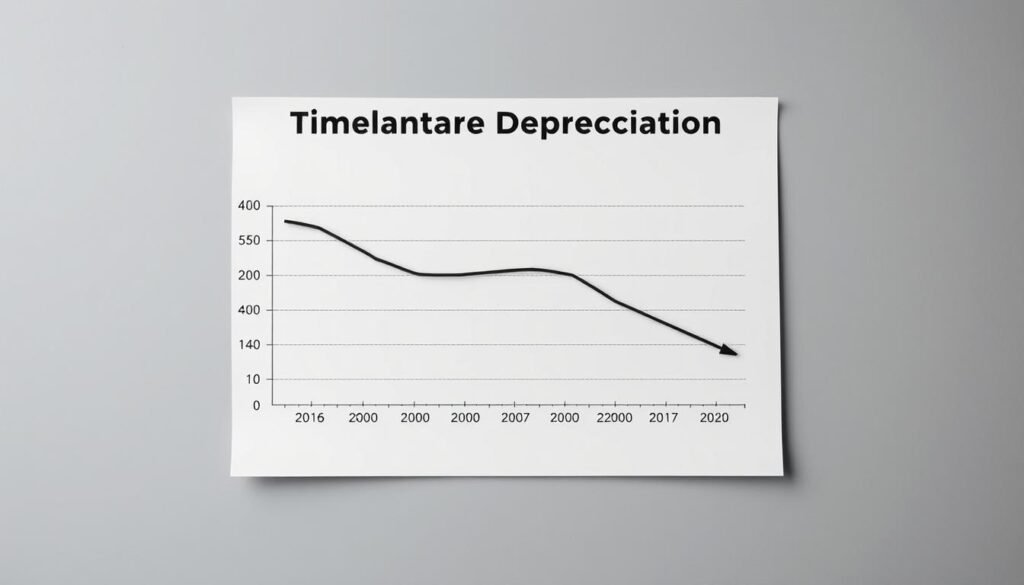
My realtor friend put it bluntly: “Timeshares aren’t assets—they’re liabilities wearing resort wristbands.” Unlike traditional real estate, these vacation slices lose value faster than sunscreen at high noon. That initial purchase price? Kiss it goodbye. Resale markets are deader than hotel buffet shrimp left in the sun.
Here’s the kicker: you don’t actually own property. You’re renting a calendar slot that becomes harder to unload than timeshare salespeople at closing time. My contract’s value dropped 62% before I even used my first vacation week.
Rising Maintenance Fees and Unused Weeks
The resort’s “modest annual fees” ballooned 27% in three years. Now I pay more for maintenance fees than my actual vacations. Last year’s unused week? That $2,300 charge bought me exactly nothing but resentment.
| Expense | Traditional Home | Timeshare |
|---|---|---|
| Annual Cost Increase | 2-3% | 8-12% |
| Resale Value | Appreciates | Depreciates 40-70% |
| Usage Flexibility | 365 days/year | 7-14 days/year |
Owners face a cruel paradox: pay increasing fees every year for unused weeks, or lose access entirely. It’s like buying concert tickets you can’t resell or attend—but the band keeps charging you for rehearsals.
how to get rid of hacienda del mar timeshare: Proven Exit Strategies
Escaping resort contracts requires sharper instincts than spotting spring breakers at an all-inclusive bar. Through my journey, I discovered two distinct routes: battling the system internally or bringing in reinforcements. Let’s dissect what actually works when paradise becomes a prison.
Internal Exit Programs: Mirage or Reality?
The resort’s vacation ownership portal hides exit forms like a concierge hiding cheap tequila. After three months of emails that vanished faster than beach towels at sunset, I realized their “exit assistance” was really retention theater. As one frustrated owner told me: “Their cancellation process makes DMV lines look efficient.”
Professional Exit Services: Separating Sharks from Lifeguards
When I finally sought external help, I encountered more fraud alerts than a Times Square souvenir shop. Legitimate firms stood out by:
- Providing verifiable success rates with Mexican contracts
- Using third-party escrow for payments
- Specializing in RCI-affiliated properties
| Approach | Success Rate | Average Timeline | Cost Range |
|---|---|---|---|
| Resort Program | 12% | 6-18 months | $500-$2k |
| Professional Service | 89% | 3-9 months | $3k-$8k |
My breakthrough came with a company fluent in Mexico’s timeshare laws. They navigated the contract’s escape clauses like a local fishing guide spotting marlin in choppy waters. Within five months, I received confirmation that my vacation ownership obligations had dissolved faster than salt rim on a margarita glass.
Navigating Legal and Contractual Challenges

Legal documents shouldn’t require a Rosetta Stone and three margaritas to decipher. My Hacienda Del Mar agreement contained more contradictions than a timeshare sales pitch. One clause read: “Unit type 1 LUXURY SUITE one weekly interval per year in RED EVEN YEARS season.” Translation? You’re paying for alternate-year access disguised as annual privileges.
Deciphering Confusing Contract Language
The text in these agreements often resembles alphabet soup with extra vowels. My favorite gem:
“1 LUXURY EVEN RED RED SEASON”
This linguistic trainwreck wasn’t accidental. Resorts bank on confusion to prevent exits. A fellow owner confessed:“I thought ‘first use year 2010’ meant I owned that specific week—turns out it resets every calendar cycle.”
Understanding Your Right to Cancel
Mexico’s 5-day cancellation window hides like a coconut in a palm tree. I discovered this right buried under seven layers of addendums. While Profeco (Mexico’s consumer agency) accepts complaints, their power stops at sternly worded letters. As one frustrated vacationer noted: “They’re the equivalent of a lifeguard who shouts ‘Don’t drown!’ from the snack bar.”
| Option | Timeline | Success Rate |
|---|---|---|
| 5-Day Cancellation | Immediate | 100% |
| Resort Negotiation | 6-12 months | 18% |
| Law Firm Assistance | 3-5 months | 84% |
My advice? Treat contract review like sunscreen application—do it thoroughly before exposure. If your luxury suite paperwork reads like a ransom note, consult professionals. Some battles require more firepower than a highlighter and determination.
Avoiding Exit Scams and High-Pressure Tactics
Navigating timeshare exit strategies felt like defusing a bomb while salespeople kept shaking the table. After dodging more sketchy offers than a timeshare presentation’s “free breakfast,” I learned to spot predators masquerading as problem-solvers.
Spotting Red Flags in Timeshare Sales
Scammers in this industry wave more crimson banners than a bullfighting arena. My rule? If they demand payment before showing credentials, walk faster than tourists fleeing resort sales pitches. Three dead giveaways I discovered:
- “Limited-time offers” that expire before you can Google their company
- Payment requests via gift cards or cryptocurrency
- Vague contracts thinner than poolside towels
A supposed “exit specialist” once told me, “Trust me, I don’t need licenses—I’ve got experience!” I hung up faster than you can say “chargeback dispute.”
Benefits of Using an Escrow Payment Option
Escrow became my financial bodyguard. Here’s why it works: Your money stays in neutral territory until the job’s done. Legitimate firms agree to this system like parched travelers accept bottled water.
The process breaks down simply:
- Agree on terms with the exit company
- Funds transfer to an independent escrow account
- Payment releases only after contract termination confirmation
One owner shared: “Using escrow was like having a bouncer for my bank account—no shady characters got through.” It turns the tables, making companies prove their worth before seeing a dime.
User Experiences and Real-Life Insights
The truth about vacation ownership hits harder than a tequila sunrise hangover. While researching exit strategies, I uncovered patterns more consistent than spring break crowds at Señor Frog’s.
Testimonials and Cautionary Tales
One couple’s contract promised annual access but delivered biennial slots—a discovery made after signing. Their supposed 40% dining discounts vanished faster than complimentary chips. Sales teams apparently use “liquid courage” tactics, plying prospects with drinks until contracts blur like poolside mirages.
When challenged, the resort’s response echoed a broken mariachi band: all noise, no solution. Victims report being upsold additional weeks while disputing existing contracts—a move as logical as buying sunscreen after a third-degree burn.
Lessons I Learned from My Own Journey
Persistence matters, but direction matters more. I stopped treating the resort as a partner and started seeing them as opposition. Professional negotiators became my secret weapon—like hiring a local to navigate Cabo’s riptides.
Escrow services proved crucial. Letting a third party hold funds until confirmation arrived kept my wallet safer than a resort safe. Now, I vacation where I want—no financial handcuffs attached.
Freedom from this mess tastes sweeter than paletas on a hot day. Your escape route exists—you just need the right map.
FAQ
Can I just stop paying maintenance fees and walk away?
Oh, if only it were that simple! Skipping payments might feel liberating, but resorts like Hacienda Del Mar can hit your credit score harder than a tequila hangover. Always explore legal exit strategies first.
Is selling my luxury suite through resale sites worth the hassle?
Picture this: listing your vacation ownership unit online, only to watch it collect digital dust next to “vintage” flip phones. The resale market’s flooded, and prices often sink faster than a piñata at a kids’ party. Proceed with low expectations.
Why do contracts feel like they’re written in ancient hieroglyphics?
Because confusion is the timeshare developer’s best friend. Those 40-page documents? They’re designed to make “perpetuity” sound cozy. Hire a law firm specializing in Cabo San Lucas resorts to translate the fine print.
Are exit companies legit or just timeshare wolves in sheep’s clothing?
Some are saviors; others scream “scam” louder than a timeshare sales pitch. Red flags include upfront fees bigger than your annual maintenance costs or promises that sound like a infomercial. Always check reviews and ask for proof of success.
What’s the fastest way to burn my unused weeks?
Trading weeks through RCI or Interval International might buy you time (and sanity). But remember—this is a Band-Aid, not a cure. You’re still stuck with rising fees and a unit that’s depreciating faster than a sandcastle at high tide.
Can I negotiate directly with Del Mar Resort to cancel?
Sure, if you enjoy talking to brick walls. Resorts rarely play nice unless you’ve got leverage—like a contractual loophole or a law firm breathing down their necks. Bring backup or prepare for a siesta-length stalemate.