
Last summer, I met a couple at a Hawaii resort who accidentally booked two timeshare weeks back-to-back. Instead of panicking about double maintenance fees, they listed the extra week online. By checkout day, they’d made enough to cover their entire year’s ownership costs and buy matching pineapple-print swimsuits. Talk about sweet revenge on vacation mishaps!
Their story isn’t unique. That 2016 ARDA study revealing 1.8 million unused ownership periods? It’s not just about empty condos – it’s about millions in potential earnings gathering dust. I’ve seen owners transform those “oops” moments into consistent income streams that make maintenance fees look like loose change.
Whether you’re sitting on unused weeks or dreading annual fee statements, there’s gold in them thar vacation properties. The real magic happens when you stop viewing your timeshare as a burden and start seeing it as a flexible asset. But here’s the kicker – success depends on playing the game right.
Key Takeaways
- Over 1.8 million owners have unused time that could generate income
- Renting unused periods can offset growing maintenance costs
- Professional agencies simplify listing and transaction processes
- Realistic expectations are crucial for rental success
- Proper strategy turns ownership from expense to asset
Understanding the Value of Renting Your Timeshare
Maintenance fees hit like clockwork every January – right after holiday spending. That’s when owners realize their vacation property isn’t just a getaway, but a financial Swiss Army knife waiting to unfold.
Benefits of Renting Unused Timeshare Weeks
Let’s play hot potato with unused vacation slots. When you list your available dates:
- Convert empty calendars into cold hard cash (hello, surprise income!)
- Keep properties occupied and well-maintained
- Build rental history that boosts future resale value
| Scenario | Maintenance Fees | Rental Income | Net Cost |
|---|---|---|---|
| Unused Week | $1,200 | $0 | -$1,200 |
| Rented Week | $1,200 | $900 | -$300 |
| Premium Rental | $1,200 | $1,500 | +$300 |
How Renting Can Offset Maintenance Fees
Think of your fees as a stubborn jar of pickles. Rental income becomes the rubber grip that helps twist it open. While few cover 100% of fees, even partial payments ease the squeeze.
My client Sandra reduced her $1,800 annual bill by 50% through strategic summer rentals. “It’s like finding money in last season’s jacket,” she laughed. The key? Matching prime vacation dates with traveler demand.
Check Eligibility and Understand Your Timeshare Agreement

Your contract isn’t just paperwork – it’s a puzzle box protecting the resort’s interests. Crack it open before planning dollar signs. That “guests welcome” brochure? Might as well be written in invisible ink.
Confirming Developer Policies and Guest Certificates
Dialing your developer’s number feels like defusing a bomb. Ask about guest certificates – those golden tickets letting strangers use your unit. Some companies offer three free annually; others charge $150 per visitor. One client discovered her agreement allowed only two external bookings yearly. Oops.
Resorts care more about quiet pools than your rental empire. When inquiring, frame questions around “occasional family visits.” Get responses in writing – email beats “he said/she said” every time.
Key Terms in Your Rental Agreement
Buried in section 4-B of your contract: “No commercial activity exceeding 14 days annually.” Translation? You’re not running a hotel. Violate this, and kiss your ownership privileges goodbye.
Watch for requirements like:
- Minimum advance notice for guest names
- Occupancy limits per bedroom
- Blackout dates during peak seasons
A Florida resort client nearly lost their unit for renting during PGA week. Their agreement? “No rentals during championship events.” Always double-check – assumptions melt faster than sunscreen in July.
How to Rent Out Timeshare Weeks: A Step-by-Step Guide
Picture your timeshare calendar as a game of financial Tetris. The right moves turn empty squares into stacked cash. Let’s transform your vacation slot into a revenue-generating machine.
Date Selection Mastery
Owners with fixed week assignments breathe easy here. For points-based systems, it’s strategy time. Target dates when schools release kids like confetti. Summer months and holiday periods fill faster than sunscreen bottles at noon.
“Travelers increasingly prefer shorter stays – studios and 1-bedrooms for 3-4 nights dominate bookings,” notes Joseph Barglowski of ResortShare.
| Ownership Type | Booking Flexibility | Demand Strategy | Profit Potential |
|---|---|---|---|
| Fixed Week | Locked dates | Market early | $$ |
| Points System | Flexible dates | Target peak seasons | $$$ |
Reservation Lockdown Tactics
Secure your dates before listing – it’s the golden ticket. I once watched a client lose $2,500 because they assumed availability. Most resorts require 60-90 day confirmations. Mark deadlines like your favorite aunt’s birthday.
Ironclad Contract Crafting
Your rental agreement needs more armor than a medieval knight. Include:
- Damage deposit requirements
- No-subletting clauses
- Clear cancellation policies
Add a “quiet hours” section unless you want pool parties at 2 AM. Notarize documents – digital signatures hold up in all 50 states.
Setting Your Price and Researching the Competition
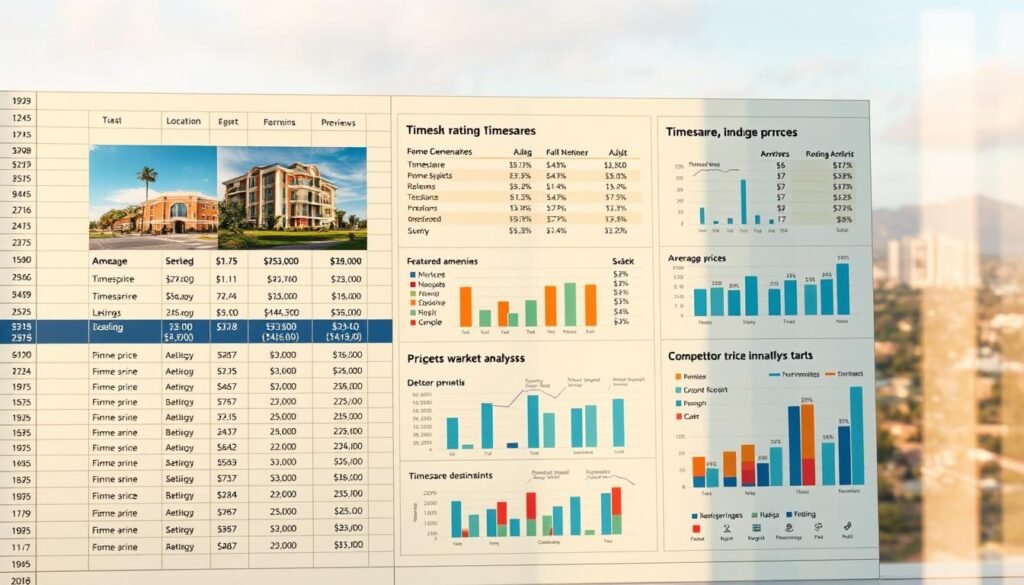
Pricing your vacation slot feels like solving a mystery where every clue hides in plain sight. I once helped a client discover their ocean-view studio booked faster than identical units – the difference? A coffee maker and blender they hadn’t mentioned.
Analyzing Comparable Listings and Amenities
Become a market Sherlock. Cruise through RedWeek and TUG listings like you’re window-shopping for clues. That en-suite laundry or private balcony? Gold mines for families planning extended stays.
| Unit Type | Base Price | Premium Features | Final Rate |
|---|---|---|---|
| 1-bedroom | $900 | Kitchenette | $1,100 |
| 2-bedroom | $1,300 | Pool view + washer | $1,650 |
Adjusting Prices Based on Demand and Flexibility
Your calendar isn’t carved in stone – price tags shouldn’t be either. A client boosted bookings 40% by offering $50/night discounts for last-minute reservations. “Empty rooms earn nothing,” she shrugged.
Peak seasons demand premium rates, but shoulder periods thrive on charm pricing. Try $1,295 instead of $1,300 – it’s the retail trick that makes guests feel like savvy shoppers. Remember: flexibility beats stubbornness when occupancy matters most.
“Owners who adjust rates weekly see 22% more bookings than those set-and-forget types,” notes travel analyst Marissa Cho.
Effective Platforms and Strategies for Marketing Your Rental
Your timeshare sits like buried treasure – worthless unless someone knows where to dig. I’ve watched listings vanish into platform purgatory because owners treated marketing like an afterthought. Let’s turn your property into a beacon for vacationers.
Listing on Popular Rental Sites and Marketplaces
RedWeek and TUG act like digital billboards for serious travelers. Facebook Marketplace? It’s the flea market where deals happen fast but require vetting. I once saw a Cancun unit rent in 3 hours there – proof chaos breeds opportunity.
| Platform | Fee | Audience | Best For |
|---|---|---|---|
| RedWeek | $99/year | Planners | Premium bookings |
| Free | Last-minute seekers | Quick deals |
Leveraging SEO and Social Media to Reach Guests
Google your resort name + “rentals.” Not on page one? You’re invisible. I helped a client dominate searches by using phrases like “Orlando family suites near Disney” in listings. Pro tip: Instagram hashtags like #MountainGetaways perform better than #TimeshareRental.
Creating a Direct Booking Website for Maximum Control
Third-party platforms take 15-30% cuts. Your own site? It’s like keeping the whole pie. Use WordPress templates to showcase amenities with photos that pop. One owner boosted repeat bookings 60% by offering loyalty discounts through her portal.
Whether you choose established platforms or DIY sites, consistency wins. Update listings weekly and respond faster than room service. Your calendar will fill quicker than a resort hot tub at sunset.
Legal, Financial, and Practical Considerations

Navigating the legal maze of vacation property income feels like decoding tax forms blindfolded – until you know where to look. Let’s shine light on the paperwork jungle before you start counting imaginary profits.
Understanding Local Regulations and Tax Implications
Your local zoning board cares more about your business than your HOA cares about flamingo lawn decor. Short-term rental rules vary faster than airline ticket prices. One client in Miami Beach got slapped with $8k in fines for missing a $30 permit – don’t let that be your “learning experience.”
Uncle Sam wants his cut too. That $2,500 booking? It’s taxable income. But here’s the twist: maintenance fees and listing costs become deductions. Track expenses like your Netflix password – meticulously.
“Treat every rental like an IRS audit waiting to happen. Good records turn panic into peace of mind.”
Setting Up Secure Payment Methods
Paper checks belong in museums, not modern rentals. Digital platforms protect both parties better than sunscreen at noon. My rule? No keys until PayPal clears. See how payment options stack up:
| Method | Speed | Security | Best For |
|---|---|---|---|
| PayPal | Instant | High | Tech-savvy renters |
| Checks | Slow | Low | Trusted contacts |
| Money Orders | Medium | Medium | Cautious transactions |
Always collect deposits before reservation deadlines. Last-minute cancellations hurt more than stepping on beach toys barefoot. Set clear terms – your future self will thank you when disputes arise.
Conclusion
Your timeshare isn’t just a vacation spot – it’s a golden goose wearing flip-flops. With the right moves, those unused dates transform from financial anchors into revenue streams. But let’s be clear: this isn’t a “post it and ghost” situation.
Success demands more strategy than a chess grandmaster. I’ve seen owners thrive by treating their properties like businesses – tracking demand cycles, optimizing listings, and building renter trust. Others? They learned hard lessons about ignoring resort rules or tax requirements.
Start small. Test one prime week this year. Document what works – maybe sunset photos boost bookings, or kitchen upgrades justify higher rates. Each rental teaches something new, like discovering your unit’s hidden appeal to snowbirds or wedding parties.
While vacation rentals won’t erase maintenance fees completely, they turn ownership from a burden into a flexible asset. Just remember: every check cashed means upholding your end of the deal – with resorts, renters, and Uncle Sam.
The beachfront suite of your dreams can pay its own way. But like any good vacation, the process requires planning, adaptability, and maybe a strong drink. Ready to make your calendar work harder than a concierge during spring break?
FAQ
Can I really make money renting my timeshare week?
Absolutely! I’ve turned my unused weeks into cash cows to offset those pesky maintenance fees. Just don’t expect to retire on it—unless your unit’s beachfront in Maui and you’ve got a margarita-themed marketing plan.
What if my resort’s developer hates the idea of me renting?
Been there. Check your contract for sneaky clauses—some require guest certificates or limit rentals entirely. Ignore this, and you might face fines sharper than a poolside pineapple slice.
How do I avoid getting scammed by shady renters?
I demand secure payments (think PayPal or escrow services) and use a bulletproof rental agreement. Also, if a “guest” offers to pay with a bag of magic beans, swipe left.
Should I price my rental like the overpriced resort cocktails?
Nope. Spy on competitors using sites like RedWeek or VRBO. If your unit has a “private sauna” but rivals have “ocean views,” adjust faster than a tan line fading in November.
Is it worth listing on Airbnb or niche timeshare sites?
Cast a wide net! I use both—Airbnb for casual vacationers and timeshare-specific platforms for savvy bookers. Bonus: SEO-optimized listings make Google your unpaid hype person.
Do I need to report rental income to the IRS?
Oh, honey, yes. Uncle Sam wants his cut. Track earnings, save receipts for expenses, and consult a tax pro—unless you enjoy audits as much as sunburns.
What if my week doesn’t rent? Am I stuck eating the cost?
Slash the price, pivot dates, or list on last-minute sites like SkyAuction. Worst case, gift it to your in-laws. Suddenly, “unavailable” becomes their problem.