
I’ll never forget the moment my friend Sarah showed me her family’s annual vacation photos from Hawaii. For years, they’d stayed at the same beachfront resort—same unit, same week, same tropical sunsets. But last summer, everything changed. Instead of their usual routine, they explored a ski lodge in Colorado and a coastal villa in Mexico. The secret? Their upgraded points-based timeshare system gave them the freedom to mix things up.
This flexibility is reshaping how over 10 million Americans approach vacation ownership. Gone are the days of rigid schedules and limited options. Modern systems let owners trade beach weeks for mountain retreats or city adventures, all while locking in predictable costs. It’s no wonder 85% of owners report satisfaction—they’re getting more value without sacrificing spontaneity.
What surprised me most wasn’t just the variety, though. It’s how these programs turn vacations into guaranteed priorities. Instead of debating destinations or hunting for deals, families like Sarah’s focus on creating memories. The industry’s evolution from fixed weeks to adaptable points reflects what travelers crave today: simplicity, choice, and a dash of luxury that feels uniquely theirs.
Key Takeaways
- Modern timeshares use flexible points systems, replacing outdated fixed-week models
- 85% of owners are satisfied with their vacation ownership experience
- Over 10 million U.S. households participate in timeshare programs
- New systems prioritize choice across locations and accommodation types
- Cost predictability remains a top motivator for buyers
Understanding Timeshares
When I first heard “timeshare,” I pictured stale hotel rooms and calendar restrictions. Today’s reality? Think customizable vacations across global destinations. Leading brands like Disney Vacation Club and Marriott Vacations Worldwide have reinvented the concept into dynamic travel solutions.
What is a Timeshare?
Modern versions work like a vacation savings account. You purchase points instead of fixed weeks, usable at multiple resorts. Options range from deeded ownership (permanent property rights) to floating weeks (flexible scheduling). Some programs even let you bank points for bigger trips or convert them into cruise credits.
Evolution of Timeshare Models
The industry shifted gears when Hyatt introduced their points-based system in 2010. Now, 78% of new contracts use this method according to ARDA data. Families can split points between a New York Christmas stay and summer weeks in Cancún. Top vacation clubs update their networks annually—Hilton added 14 new destinations last year alone.
This isn’t your grandparents’ timeshare. The focus has moved from locking down dates to unlocking experiences. With rotating portfolios of luxury resorts and urban properties, owners craft unique itineraries while maintaining cost predictability.
The Appeal of Vacation Clubs and Resorts

Last spring, I wandered through a Wyndham resort in Maui, marveling at how vacation clubs reinvent luxury travel. What struck me wasn’t just the infinity pool overlooking the ocean—it was knowing every cocktail and cabana came prepaid through ownership.
Luxury Amenities and Flexible Destinations
Top-tier vacation club networks deliver experiences most hotels can’t match. Wyndham’s 220+ properties span from Park City ski lodges to Australian beachfront villas. Their members swap locations freely—skiing Utah powder one winter, snorkeling the British Virgin Islands the next.
Marriott’s program takes this further with stays in Costa Rican rainforest villas or Thai coastal retreats. I met owners who plan entire years around these exchanges, banking points for bucket-list trips. “It’s like having a passport to premium resorts,” one member told me.
On-site perks transform stays into full-immersion escapes. At Holiday Inn’s Orange Lake Resort, families bounce between golf courses, spa treatments, and themed dining—all without leaving the property. These curated experiences explain why 63% of vacation club members renew annually.
The real magic? Flexibility without hidden fees. Major brands let owners book within their networks at original rates—a game-changer for budget-conscious travelers craving variety. It’s not just accommodation; it’s access to a lifestyle once reserved for the jet set.
Cost Comparison: Timeshare vs. Hotel Stays
Crunching vacation numbers changed how I view travel budgets forever. Let’s break down why smart planners consider timeshares a financial hack for recurring getaways.
Analyzing Average Costs
The American Resort Development Association reports 2023’s average cost for timeshares hit $24,140 upfront. Add $1,170 yearly maintenance fees, and it still beats decades of hotel markups. I recently sat through a presentation where sales reps compared:
- 7-night hotel stays: $300+/night x 50 years = $105,000+
- Timeshare ownership: $24k + ($1,170 x 50) = $82,550
That’s a 21% savings before counting inflation or loyalty perks. Resorts like Marriott let owners lock in 2024 prices for 2044 vacations—something no hotel loyalty program offers.
Long-Term Vacation Savings
Here’s what shocked me: Maintenance fees cover amenities hotels charge extra for. Compare a family of four:
| Expense | Timeshare (Annual) | Hotel (7 Nights) |
|---|---|---|
| Accommodations | $1,170 | $2,100+ |
| Kitchen Savings | $500+ | $0 |
| Resort Activities | Included | $200+ |
A couple I met pays less annually than their old hotel-and-restaurant routine. “We vacation more now,” they told me. “The math made us switch.” When you spread costs over 60+ years of vacations, that initial price tag starts looking like a steal.
Benefits of Buying Timeshares for Families
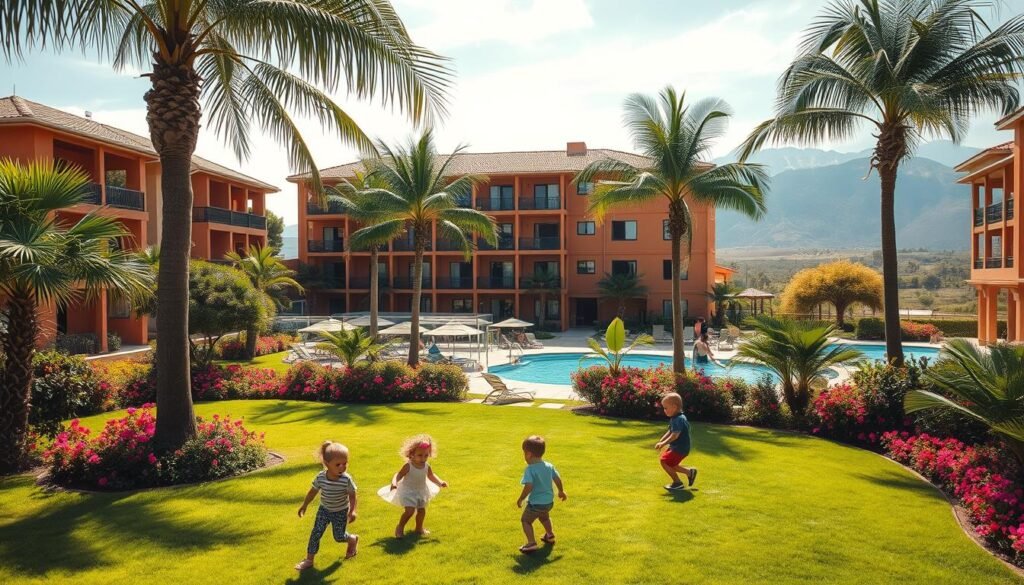
My cousin’s kids used to fight over hotel bathroom time during trips. Everything changed when they discovered vacation properties with separate bedrooms and laundry machines. Now their annual getaways feel less like cramped adventures and more like relaxing retreats.
Spacious Accommodations and Home-Like Comfort
Over 70% of vacation ownership units feature multiple bedrooms—a lifesaver for families. Private sleeping areas, full-sized kitchens, and dining spaces replace crowded hotel layouts. I’ve seen three-generation groups enjoy meals together without elbow bumps.
These residences deliver real comfort with amenities hotels rarely match. Think stocked kitchens for midnight snacks, washers for beach towels, and balconies for morning coffee. One owner joked: “Our unit has more square footage than our first apartment!”
Guaranteed Annual Vacations
Owning a timeshare transforms vacations from “maybe next year” to non-negotiable plans. Families bypass crowded booking seasons and price surges—their spot’s secured. A dad recently told me: “It’s our family’s sacred calendar event now.”
| Feature | Vacation Home | Standard Hotel |
|---|---|---|
| Sleeping Capacity | 6-8 people | 2-4 people |
| Cooking Facilities | Full kitchen | Microwave only |
| Yearly Availability | Guaranteed | First-come basis |
Prepaid contracts lock in today’s rates for future trips—a smart move against inflation. With kitchens cutting food costs by $600+ weekly, families reinvest those savings into making memories.
Exploring the Resale Market
Stumbling upon a Disney Vacation Club resale listing changed my perspective on vacation ownership forever. While browsing listings last month, I discovered members selling contracts at nearly 35% below developer prices—a hidden world of savings most first-time buyers never see.
The numbers tell the real story. At Disney’s Grand Floridian Resort, direct purchases cost $230 per point in 2024. Through trusted resale platforms like Fidelity Real Estate, identical points average $150.96. For families needing 150 points annually, that’s $11,856 saved upfront—enough to fund three extra vacations.
Leveraging Resale Savings
Here’s what surprised me most: Disney’s recent pullback from exercising first refusal rights. This shift lets buyers snag contracts at unprecedented discounts. One seller I interviewed secured a 200-point package for 22% less than 2023 prices—something unheard of in previous years.
| Purchase Type | Cost Per Point | 150-Point Total | Savings |
|---|---|---|---|
| Direct from Disney | $230 | $34,500 | – |
| Resale Market | $150.96 | $22,644 | $11,856 |
Reputable resale companies streamline the process better than I expected. Fidelity’s team verifies contracts, handles paperwork, and ensures buyers receive full membership privileges. Their transparent fees make cost comparisons easy—no hidden charges or surprise assessments.
For budget-conscious travelers, this market unlocks premium vacations without developer markups. As one happy buyer told me: “We’re staying at deluxe resorts for moderate prices—it feels like discovering a secret travel hack.” With proper research and trusted partners, resale purchases deliver all the perks while protecting your wallet.
Inside the World of Points-Based Ownership
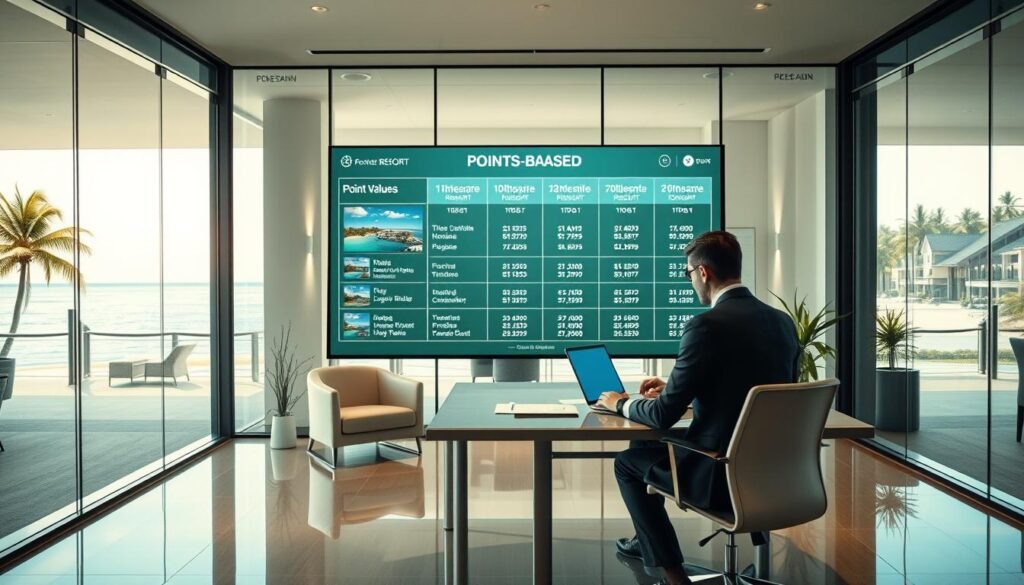
I nearly spilled my coffee when a resort concierge explained how points transformed their loyalty program. Forget fixed schedules—this system lets travelers craft bespoke getaways like playlist curators. Vacation ownership now operates on a dynamic currency model, where points unlock everything from Disney castles to mountain chalets.
Understanding Timeshare Points
Think of points as your vacation wallet. Diamond Resorts’ pure points membership proves this—members book three-day escapes instead of full weeks. At Disney’s Animal Kingdom Lodge, stays start at 7 points nightly. That’s cheaper than most hotel loyalty programs.
Owners receive annual point allocations tailored to their travel style. Bank them for epic trips or sprinkle across weekends. One family I met splits 200 points between summer beach weeks and winter city breaks. “It’s like having a vacation budget that never expires,” they said.
Flexible Vacation Options
Strategic point use maximizes value. Check how different approaches play out:
| Strategy | Points/Night | Total Nights | Sample Destinations |
|---|---|---|---|
| Luxury Focus | 30 | 6-7 | Disney Deluxe Resorts |
| Mix & Match | 20 | 10 | Beach + Urban Stays |
| Off-Peak Travel | 15 | 13 | Shoulder Season Escapes |
This flexibility reshapes vacation math. Spread 150 points across four trips or splurge on two weeks in Hawaii. Vacation club members report 30% more trips since switching from fixed-week plans. As one owner quipped: “We’re collecting memories, not calendar dates.”
why do people buy timeshares
Chatting with a young couple at a Maui resort changed my view of vacation ownership. They weren’t retirees – they were tech workers planning their daughter’s future spring breaks. This reflects today’s reality: 39-year-olds now dominate the market, blending practicality with passion.
Emotional and Practical Reasons Behind Ownership
Modern owners treat vacations like heirlooms. Parents I’ve met describe their timeshare as a “memory insurance policy.” One mom shared: “We’re building traditions our kids will recreate with their families.” The guarantee of annual getaways removes planning stress while preserving spontaneity.
Owner Satisfaction and Loyalty
Despite Forbes’ claims about impulsive decisions, 85% of owners report loving their choice. What explains this loyalty? Vacations evolve from expenses to investments. Families gain predictable costs and premium amenities, creating value that outlasts initial costs.
The proof lives in renewal rates and multi-generational use. As one owner told me: “This isn’t just a purchase – it’s our family’s storybook.” That emotional ROI, paired with smart financial planning, makes modern vacation ownership surprisingly rational.
FAQ
What exactly is a timeshare?
I see it as a shared ownership model where you purchase the right to use a vacation property for a specific period each year. It’s like having a second home without full responsibility—perfect for predictable getaways.
How do points-based programs like Disney Vacation Club work?
Instead of fixed weeks, you get annual points to book stays across resorts. I love the flexibility—use them for different room sizes, seasons, or even save points for bigger trips later. It’s like a travel currency tailored to my plans.
Are timeshares cheaper than hotels long-term?
For frequent travelers, yes. While upfront costs exist, my stays at Marriott or Hilton Grand Vacations often cost less per night over 10+ years compared to luxury hotels. Plus, amenities like kitchens cut dining expenses.
Why consider the resale market?
Resales can slash prices by 30-70% off retail. I’ve seen Wyndham contracts sell for pennies on the dollar. Just verify the resort allows resale transfers—some restrict perks but still offer solid value.
What keeps families loyal to timeshares?
Spacious condos beat cramped hotel rooms. My kids have separate bedrooms, and full kitchens mean no pricey room service. Plus, annual trips become traditions—we’re already planning next year’s Disney Adventure.
Do ownership perks outweigh maintenance fees?
It depends. My Hyatt membership includes concierge services and exclusive events. For others, trading weeks through RCI for global destinations adds value. Always crunch the numbers—if you vacation yearly, it often pays off.
How has timeshare flexibility improved?
Older fixed-week models felt rigid. Now, systems like Hilton’s Club Priority let me mix urban stays with beach resorts. Some programs even partner with cruise lines—variety keeps me from getting bored.
Is buying a timeshare an emotional decision?
Partly. Sales pitches highlight dream vacations, but I balance that with math. The joy of guaranteed family time? Priceless. Combine that with smart financial planning, and it clicks for my lifestyle.