
Last summer, my friend Jess texted me from a stunning Marriott resort balcony, sipping a mimosa with the hashtag #TimeshareLife. Two months later, she was frantically Googling “how to exit vacation club contracts.” Sound familiar? Her story isn’t unique—it’s the modern vacation paradox. We crave luxury escapes but dread commitment to a single destination or budget.
Let’s cut through the sales pitch. The Marriott Vacation Club dangles 90+ resorts across 55 countries like a golden carrot. But here’s the kicker: that $24,000 starter package doubles as a down payment on a Tesla. Resale markets whisper sweet nothings about 50% discounts, but maintenance fees creep in like uninvited poolside salespeople—$1,181 annually for 1,500 points.
This isn’t about fancy brochures or timeshare exit scams. It’s math. Can you vacation smarter than a spreadsheet? Do you want Disney World one year and ski chalets the next? I’ve crunched numbers, grilled current owners, and even stalked resale forums so you don’t have to. Spoiler: The answer depends on whether you’re the type to actually use gym memberships.
Punti chiave
- Resale options slash upfront costs by up to 50% compared to direct purchases
- Annual fees add $1,180+ per year for 1,500 Vacation Club Points
- Flexibility depends on how often you’ll use the points-based system
- 90+ global resorts offer variety but require advance planning
- Ownership value shines for frequent travelers, not occasional vacationers
Understanding Marriott Timeshare Ownership
Remember when timeshares meant swapping keys for the same musty condo every July? Those days are gone faster than sunscreen at a pool party. Today’s vacation club model lets you collect experiences like seashells—pick what you want, when you want.
What Is Modern Vacation Ownership?
Think of it as buying a slice of paradise that changes flavor annually. You own real estate shares through a trust—legally binding, but far from boring. Each year deposits points into your account, functioning like vacation crypto (minus the volatility).
| Old Model | New System |
|---|---|
| Settimane fisse | Flexible dates |
| Single location | 90+ destinations |
| Annual maintenance | Points + fees |
| Limited trading | Scambi globali |
Key Perks for Frequent Travelers
This system shines for those who vacation like it’s their part-time job. Use points for:
- Weekend city escapes
- Three-week island hopping
- Last-minute ski trips
| Vacanza tradizionale | Club Benefits |
|---|---|
| Hotel loyalty points | Disponibilità garantita |
| Dynamic pricing | Locked-in rates |
| Temporary stays | Legacy options |
The real magic? Your points outlive hotel rewards programs. They become family heirlooms—assuming your kids want your vacation habits.
Inside Marriott Vacation Club’s Points-Based System

Imagine your vacation budget as a Monopoly board where properties range from Kansas City motels to Bora Bora bungalows. The points-based system turns travel planning into a strategic game—except here, you actually want to land on Park Place.
How Points Are Allocated
Peak seasons and popular destinations demand more club points. A Maui villa in July might cost 3,000 vacation club points, while that same unit in September drops to 1,800. Three key features keep things flexible:
- Bank unused points for next year’s adventure
- Borrow against future allocations for bucket-list trips
- Combine years’ worth of points for extended stays
Your annual allowance depends on initial purchase size. A 1,500-point package unlocks coastal California escapes, while 2,000 points swing open doors to desert oases and Mexican beach resorts.
Membership Tiers and Their Perks
The hierarchy resembles airline loyalty programs—but with better cocktails. Climb from Owner to Chairman’s Club status:
| Tier | Points Range | Vantaggi VIP |
|---|---|---|
| Owner | Up to 3,999 | Basic reservations |
| Executive | 4,000-6,999 | Priority check-in |
| Presidential | 7,000-14,999 | Suite upgrades |
| Chairman’s | 15,000+ | Concierge service |
Higher tiers unlock blackout-date overrides and exclusive events. One member joked, “It’s like getting backstage passes to your own vacations.” Whether that’s worth the entry price depends on how often you use points—and your tolerance for resort small talk.
Initial Investment and Cost Breakdown
Picture your vacation fund as a luxury handbag—you can buy it retail or hunt for a gently used steal. The choice between buying directly from Marriott or through the resale market could mean the difference between a down payment on a car and a weekend Vegas splurge.
Direct Purchase vs. Resale Market
New buyers typically face sticker shock: $24,000-$27,000 for 1,500 points. That’s $16.50 per point—enough to make your credit card whimper. But the secondary market reveals a secret world where those same points sell for $3,000-$3,500. Why? Sellers often panic when realizing annual fees outlast their wanderlust.
Understanding Transfer and Closing Costs
Resales aren’t fee-free paradise. Three financial gremlins lurk:
- $750 per 250 points (minimum $3,000)
- $300 education tax for newbies
- $95 waiver to bypass corporate interference
Even with these costs, resale buyers save roughly 50% upfront. That’s $20,000 extra for actual vacations—or a really impressive collection of pool floats. As one former sales rep confessed: “The direct price funds our espresso machine. The resale price funds your margarita fund.”
Annual Maintenance Fees and Club Dues Explained
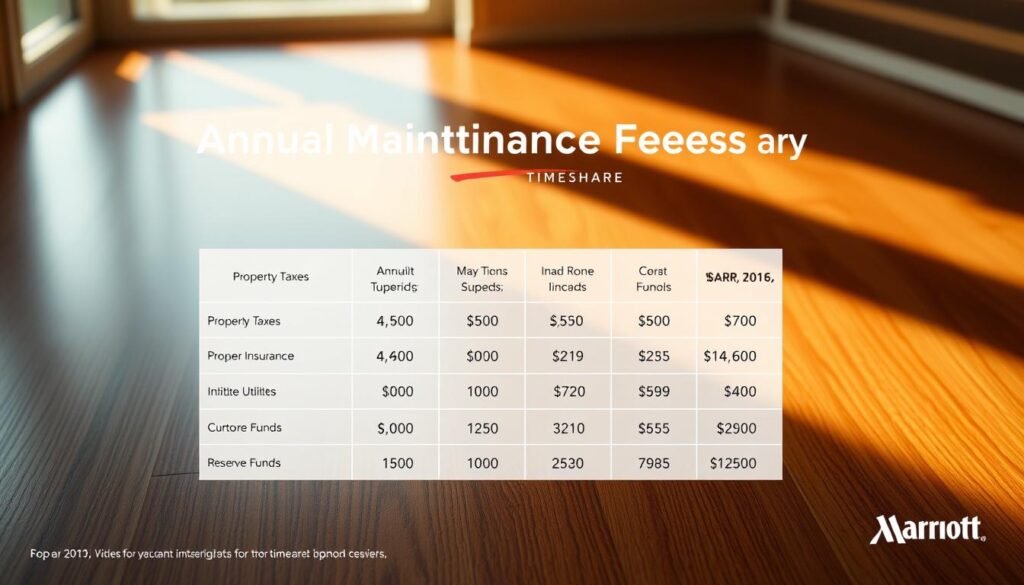
Owning vacation points works like a streaming subscription—cancel anytime, but good luck escaping the monthly charges. Those glossy brochures never show the financial fine print that arrives faster than a post-vacation laundry pile.
Maintenance Fees Breakdown
Your points come with a hidden roommate: annual maintenance fees. For 2024, expect to pay 78.7¢ per point—$1,181 yearly for 1,500 points. This covers:
- Pool maintenance (no rogue Band-Aids floating)
- Landscaping (palm trees don’t trim themselves)
- Building repairs (luxury stays upright)
| Membership Level | Club Fee | Vantaggi chiave |
|---|---|---|
| Owner/Select | $240 | Basic exchanges |
| Executive/Presidential | $280 | Priority housekeeping |
| Chairman’s Club | $295 | Concierge services |
All-Inclusive Club Fee Benefits
The club fee acts like a VIP backstage pass. Unlike competitors’ à la carte pricing, it bundles:
- Interval International exchanges
- Points banking/borrowing
- Marriott Bonvoy conversions
One owner told me, “It’s the Costco membership of vacations—bulk savings with occasional regret.” These fees guarantee predictable costs, unlike hotel rates that spike faster than sunscreen prices in July.
Comparing Marriott Timeshare to Traditional Vacation Options
Let’s play restaurant math. Vacation ownership works like a prix-fixe menu—predictable costs for gourmet experiences. Traditional hotel bookings? That’s à la carte dining where dessert might cost more than your entrée.
Here’s what made my spreadsheet spark joy: A family of four spending $4,800 annually on hotels could save $18,000+ over a decade with locked-in rates. Villas with full kitchens slash food budgets—no $25 resort pancakes here.
Long-Term Savings vs. Annual Hotel Costs
The real value emerges when you stack amenities against nightly rates. Compare a 7-night Hawaiian escape:
| Spesa | Vacation Ownership | Hotel tradizionale |
|---|---|---|
| Accommodation | Prepaid points | $450/night |
| Meals | $600 (groceries) | $1,800 (dining out) |
| Space | 3-bedroom villa | 2 connecting rooms |
| Flessibilità | 11-month booking | Dynamic pricing |
Hotels win for spontaneous travel or destination-hopping. But for repeat visitors? One owner bragged: “My kids think housekeeping folding towel swans is normal—that’s the real luxury.”
The sweet spot? Commitment-phobes need not apply. This works best for planners who treat vacations like Olympic events—meticulously scheduled and ruthlessly optimized.
Flexibility and Benefits of Banking and Borrowing Points
Think of your points as vacation chess pieces—strategic moves unlock luxury stays. Savvy vacation club owners treat banking deadlines like boarding times: miss them, and your plans get delayed.
Smart Banking Strategies
Basic owners get six months to stash unused points. Top-tier members? Two months. Banked points roll over like cruise ship credits—Presidential tiers stretch expiration dates to two years. Perfect for planning milestone trips without draining your annual number points.
Borrowing Like a Pro
Need extra points for that Maldives overwater bungalow? Borrow next year‘s allocation. It’s like time-traveling your vacation budget—just don’t raid future you’s funds too often. Members who take advantage of this can triple their stay length during off-peak seasons.
One owner confessed: “I combined three years’ points for a safari wedding—cheaper than my sister’s backyard reception.” Whether you’re hoarding points or living in vacation debt, flexibility separates casual travelers from resort royalty.
FAQ
What exactly is vacation ownership with Marriott?
Imagine having a VIP pass to premium resorts without the hassle of full-time property management. You’re buying into a points-based system that unlocks stays at Marriott Vacation Club properties—think of it as your travel currency for future vacations.
How do points turn into actual vacations?
Points are your golden tickets. They’re allocated annually based on your membership tier, letting you book stays at resorts, cruises, or even exchange them for other travel experiences. More points = fancier digs or longer trips. Simple math, really.
Should I buy directly from Marriott or hunt for resale deals?
Direct purchases come with perks like loyalty programs and flexible booking, but resale can save you thousands upfront. Just know that resale buyers might miss out on some elite benefits—like trying to get backstage passes from a scalper.
What’s the deal with annual maintenance fees?
These are the “keep the lights on” costs for resorts. They cover everything from pool maintenance to landscaping. Fees vary by property and season, so budget like you’re prepping for a surprise tax bill—minus the paperwork.
Can I really save money compared to regular hotels?
If you vacation annually and crave consistency, absolutely. I’d compare annual hotel stays to renting a tuxedo every weekend—eventually, buying the suit (or timeshare) makes sense. Plus, you get nicer amenities than a generic hotel room.
What happens if I don’t use all my points in a year?
Bank ’em! Save unused points for next year’s adventure or borrow from next year’s stash for an epic trip. It’s like rolling over cell phone data, but way more fun (and no overage fees).
Are there hidden costs beyond the initial purchase?
Closing costs, transfer fees, and club dues can sneak up like resort parking fees. Always ask for a full breakdown—transparency is key unless you enjoy financial jump scares.
Do membership tiers actually matter?
Higher tiers unlock perks like priority booking, room upgrades, and exclusive events. It’s like airline status but without having to fake-smile through turbulence.