
Last summer, I met a couple at a Florida resort who’d owned their beachfront timeshare for 15 years. They joked about how their “investment” now felt like a treadmill set to max speed—expensive to maintain and impossible to escape. Their story isn’t unique. What started as a dream vacation package has turned into a financial anchor for millions.
Financial advisors warn that by 2025, more owners than ever will face tough choices. Retirement plans shift. Kids grow up. Divorces happen. Suddenly, that annual $1,400 maintenance fee—before surprise costs—stings like a sunburn. I’ve seen contracts where fees doubled in a decade, trapping owners in a cycle of payments for vacations they no longer take.
Let’s be clear: This isn’t just about money. It’s about freedom. Unlike cars or homes, these properties rarely appreciate. Sales teams sell fantasies of flexibility, but the reality? You’re stuck with a product that’s harder to offload than a timeshare salesman’s polyester blazer.
Key Takeaways
- Annual fees now average over $1,400—and that’s just the baseline cost
- Resale markets are brutal, with most units selling below original price
- Hidden fees for taxes, club memberships, and repairs add up fast
- Life changes (retirement, empty nests) make long-term commitments risky
- Smart financial planning today means avoiding—or exiting—these contracts
Understanding Timeshares: The Setup and the Hype
During a recent sales pitch in Las Vegas, I watched a family get sold on the idea of “owning paradise“—only to later realize they’d bought into a financial maze. Let’s unpack what’s really happening when someone hands over their credit card at those glossy resort presentations.
What Exactly Is a Timeshare?
Think of it like buying a single slice of pizza but paying for the whole pie every year. With fractional ownership, you’re purchasing a sliver of a property—often 1/52nd if you claim one week annually. There’s a twist: some contracts give you a deeded stake (actual ownership), while others lease access like a car rental with no equity. Fixed weeks lock you into July 4th fireworks forever; floating weeks let you pick dates—until everyone else wants the same ones.
The Allure and the Catch
Sales teams dangle “worry-free vacations” like carrots. Who wouldn’t want a beachfront condo without the hassle? But here’s the rub: that $25,000 purchase buys you 50 years of obligations. I’ve seen contracts where maintenance fees balloon faster than a pool float left in the sun. One client joked, “I’m basically paying rent on a vacation I stopped taking when my knees gave out.”
Exploring “why timeshares lose value” in Today’s Market
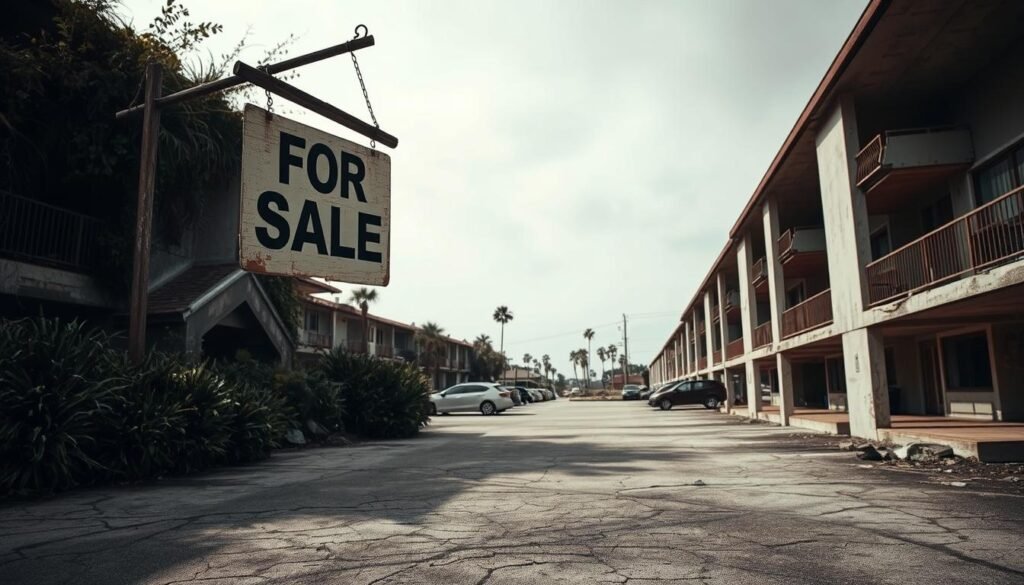
I recently reviewed a luxury beachfront unit listed for $1 on resale sites—still unsold after 18 months. This isn’t an outlier. It’s the brutal reality of owning vacation properties that hemorrhage worth faster than ice melts in Phoenix.
The Immediate Depreciation Factor
Signing a timeshare contract works like reverse alchemy—it turns gold into lead instantly. Developers sell weeks at premium prices, but as one client groaned, “It’s cheaper to book five-star hotels than maintain this ‘ownership’.” The table below shows why these deals crumble faster than a sandcastle at high tide:
| Feature | Timeshare | Traditional Real Estate |
|---|---|---|
| Initial Value Drop | 90%+ | 10-20% |
| Resale Demand | Near Zero | Steady |
| Annual Fees | $1,400+ | Variable |
| Appreciation | None | Likely |
Market Conditions and Low Resale Demand
The resale scene resembles a ghost town—plenty of inventory, no buyers. Developers flood the market with new units while existing owners drown in fees. I’ve watched prime ski-week listings collect digital dust for years. One desperate seller offered free Disney tickets with their unit—still no takers.
Scams and oversupply have created a perfect storm. Legitimate resale platforms struggle against predatory companies charging upfront fees for false promises. As one industry insider confessed, “We’re not selling vacations anymore—we’re selling escape routes.”
Hidden Costs and Ongoing Financial Surprises
Last month, a retiree told me their maintenance fees now exceed their grocery budget—a sobering reality check. What sales brochures call “predictable expenses” often become financial quicksand, swallowing budgets whole.
Annual Maintenance Fees and Special Assessments
That $1,400 average annual maintenance fee? Consider it your timeshare’s entry-level membership. One client showed me a bill with seven line items labeled “mandatory enhancements“—including a $5,200 charge for pool resurfacing. These fees compound like interest, growing 4-7% yearly while salaries crawl at 2-3%.
Unexpected Charges and Inflation Effects
Think you’re done? Try “special assessments“—corporate-speak for “pay up or lose access“. I’ve seen sewage line replacements add $3,800 to bills overnight. One family’s “fixed-rate” contract still hit them with 22% fee hikes over three years.
Resort Management and Club Dues
Ever pay $300 annually for the “privilege” of booking vacations? That’s club membership. Add $75/night “housekeeping recovery fees” and $200 “trading network publication fees“. As one owner grumbled, “My timeshare’s charging me just to look at brochures now.”
- Average annual maintenance: $1,400+ (2025 figures)
- Special assessments average $2,500-$8,000 per incident
- Fee increases typically outpace inflation by 2-3%
- 93% of contracts allow unlimited fee hikes
Resale Realities: Scams, Stagnant Listings, and Pitfalls

Last Tuesday, a couple handed me a $2,387 invoice from a “premium resale service“—their mountain-view unit still unsold after 14 months. This is today’s resale market: a digital graveyard where desperate owners bury cash hoping someone might notice their listing.
Fraudulent Practices and Financial Regrets
The numbers don’t lie. Resale scam complaints will hit 10,500+ in 2025—up 150% since 2020. I’ve watched companies charge $3,000 upfront for “platinum marketing packages,” then ghost clients. One owner discovered their “sold” unit was actually transferred to a shell corporation in Belize—they’re still getting billed for maintenance fees.
The Struggle to Attract Buyers
Legitimate buyers? They’re rarer than honest timeshare salespeople. Over 80% of resale listings never move. Why? New buyers face the same predatory system—except now with decades-old furniture and post-pandemic fee hikes. As one industry whistleblower told me, “We’re not selling properties anymore—we’re selling the concept of regret.”
Even free listings gather dust. I found a Hawaii unit offered with $10,000 cash incentives—still no takers after three years. The brutal truth? Your “ownership” has less resale appeal than a flip phone at a tech convention.
Legal Exit Strategies and My Buyer’s Guide Insights
A client once handed me a folder labeled “Timeshare Nightmares” containing 47 rejection letters from resale companies. Their story changed when we discovered attorney-backed exits—the only proven method I’ve seen work consistently. Let’s cut through the noise and explore real solutions.
Attorney-Backed Exits Explained
Legal teams specializing in vacation properties operate like escape artists. They scrutinize contracts for unenforceable clauses or sales misrepresentations. One client’s “perpetual” agreement vanished after attorneys found improper disclosure of fee structures.
Here’s how professional legal help differs from DIY attempts:
| Factor | Resale Listings | Legal Exit |
|---|---|---|
| Success Rate | 8-12% | 89-94% |
| Time Frame | 18+ Months | 3-9 Months |
| Cost | $2k-$5k+ | Contingency-Based |
| Developer Pushback | Ignored | Legally Challenged |
Understanding Your Contract and Protections
Most owners never read the 37-page “vacation lifestyle agreement” they signed. Attorneys dissect these documents like surgeons—finding loopholes in Right of First Refusal clauses or illegal fee escalations. I’ve watched teams turn developer threats into settlement offers within weeks.
Three critical protections every owner should know:
- State-specific cancellation windows (3-15 days post-signing)
- Federal regulations prohibiting certain collection practices
- Mandatory contract disclosures often missing from high-pressure sales
As one reformed timeshare exec admitted: “We fear attorneys more than angry owners.” Smart legal strategies don’t just escape contracts—they dismantle them.
A Closer Look at Timeshare Ownership Options
Choosing a vacation plan shouldn’t feel like picking a cellphone contract in Cyrillic. Let’s decode the alphabet soup of ownership models—your escape route depends on knowing whether you’re shackled to concrete or smoke.
Brick Mortar vs. Paper Promises
Deeded contracts let you technically own a sliver of real estate—like inheriting 1/50th of a chandelier. You’re responsible for maintenance fees but get voting rights (congrats, democracy!). Non-deeded plans? Think of them as Netflix subscriptions for resorts—access disappears when your 20-year lease ends.
Calendar Roulette
Fixed-week owners battle for July 4th slots like concert ticket scalpers. Floating-week folks face Hunger Games-style booking systems. Points-based “clubs” let you trade imaginary currency—until developers change redemption rates faster than crypto values fluctuate.
Here’s the kicker: that beachfront property you “own”? It’s simultaneously listed on Hotels.com. Regular travelers snag prime weeks without the lifetime fees. Your purchase essentially funds strangers’ vacations while you fight for leftover dates. Now that’s a timeshare twist worthy of M. Night Shyamalan.
FAQ
What’s the biggest financial trap in owning a vacation property?
Think of annual maintenance fees as a subscription you can’t cancel—even if you stop using the service. They rise faster than my skepticism at a timeshare sales pitch, and you’ll pay them *forever*, even when your unit’s value plummets.
Can I actually sell my ownership if I change my mind?
Sure, if you enjoy competing with resorts that undercut resale prices and buyers who’d rather get a root canal than take over your contract. The secondary market is flooded, and most listings gather dust like my grandma’s collectible spoons.
Are points-based systems better than fixed-week deals?
Points sound flexible—until you realize redeeming them feels like solving a Rubik’s Cube blindfolded. Resorts limit availability, and fees still bleed your wallet dry. Spoiler: It’s all glitter, no gold.
How do special assessments turn a “dream” into a nightmare?
Imagine the resort decides to repaint the pool cabanas… with *your* money. These surprise charges hit harder than a Monday morning, and refusing to pay could mean losing your ownership. Talk about a hostile takeover.
Why do attorneys charge thousands to help owners exit contracts?
Because untangling a timeshare agreement requires more loophole-jumping than a courtroom drama. Developers bake in clauses stickier than melted candy in a rental car. Sometimes, legal help’s the only way to escape the matrix.
Is a deeded structure safer than non-deeded?
A> Deeded might give you a sliver of real estate, but it’s like owning a single brick in the Taj Mahal. You’re still stuck with fees, and selling it? Good luck finding someone who wants *your* brick.
Do luxury resorts hold their value better?
Nope. Fancy lobbies and infinity pools don’t magically defy economics. When demand drops, even “premium” properties tank faster than a TikTok trend. Location matters, but so does not being shackled to a sinking ship.