
Last summer, I met a couple at a Florida resort who turned their unused weeks into $8,000 in extra income. Mark and Lisa owned a beachfront timeshare they barely used until they discovered Airbnb’s marketplace. Their story isn’t unique – it reveals how modern travelers crave authentic stays over cookie-cutter hotels.
What makes this property strategy different? You get all the perks of vacation ownership without year-round responsibilities. Imagine having prime dates at sought-after destinations while someone else handles maintenance. Airbnb’s global reach puts your slice of paradise in front of 150 million users.
But here’s the catch: maximizing returns requires smart planning. Availability windows and HOA rules can trip up newcomers. I’ve seen listings fail when owners don’t highlight unique amenities or local experiences. That’s why understanding your contract details matters as much as creating eye-catching photos.
Key Takeaways
- Part-time ownership models create flexible income opportunities
- Airbnb’s platform offers unmatched exposure for vacation properties
- Seasonal availability requires strategic calendar management
- Professional listings outperform basic postings
- Contract reviews prevent costly rental mistakes
Through trial and error, I’ve refined methods that work across mountain cabins and beach condos. This guide shares actionable steps to transform your underused weeks into profitable bookings. Let’s explore how to navigate the nuances of shared ownership while standing out in crowded vacation markets.
Understanding Timeshare Ownership and Rental Opportunities
Shared vacation properties have evolved beyond the 1980s stereotypes into modern income streams. I’ve helped dozens of owners navigate this landscape, and it all starts with grasping the fundamentals.
What Is a Timeshare?
A timeshare lets multiple people share rights to a vacation property. You’re essentially buying dedicated time rather than full ownership. The three main types work differently:
Fixed Week systems lock you into specific dates annually. Floating Week arrangements allow seasonal flexibility. Points-based models let you exchange credits for stays at various units.
The American Resort Development Association reports average buy-ins near $24,000, with yearly fees around $1,000. These costs make understanding your contract’s rental permissions crucial.
Pros and Cons of Timeshare Ownership
Benefits jump out first. Guaranteed vacation spots eliminate booking stress. Resort amenities like pools and concierge services add value. Compared to buying a whole property, the initial investment stays lower.
But trade-offs exist. Limited date choices frustrate spontaneous travelers. Those maintenance fees? They keep coming even if you don’t use the unit. Reselling often brings disappointing returns – most units lose value over time.
Before considering rental options, ask yourself: Does this match how I actually vacation? The answer determines whether shared ownership becomes a burden or an asset.
Exploring Airbnb as a Platform for Timeshare Rentals
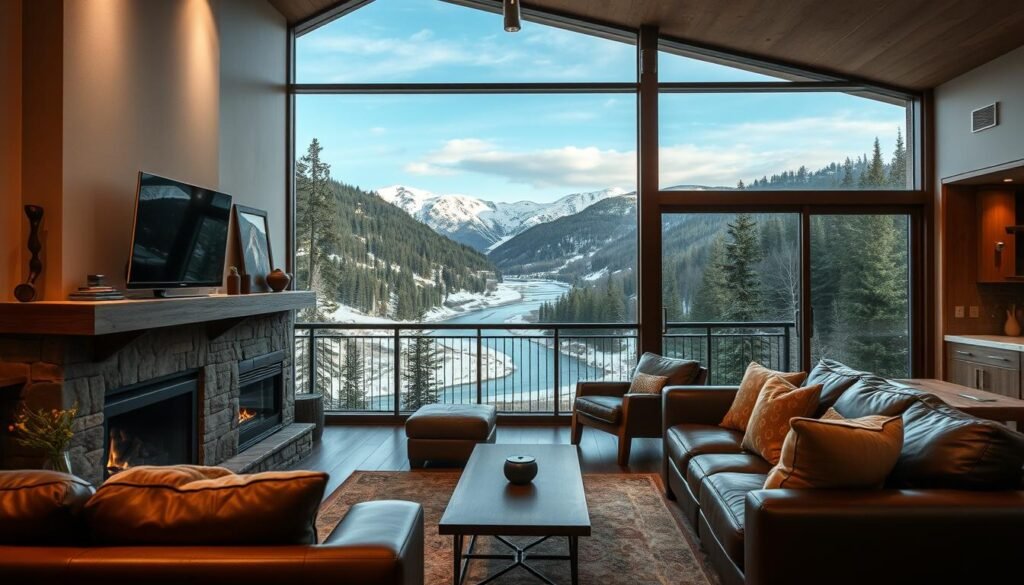
Airbnb’s 150 million users include travelers specifically searching for resort-style stays. This platform shines for timeshare owners wanting to monetize unused weeks without long-term commitments. Unlike traditional rental sites, it emphasizes unique experiences over generic hotel rooms.
Airbnb’s Unique Advantages for Timeshare Owners
The platform lets you showcase amenities that hotels can’t match. Think private balconies with ocean views or resort tennis courts. I’ve found families often search for properties with kitchenettes and laundry access – standard features in many vacation units.
Flexible date settings align perfectly with fixed-week ownership. List only available slots while blocking personal use dates. One client earned $2,300 renting her Colorado ski week through Airbnb’s “experience” section by bundling lift passes.
Platform Guidelines and Eligibility Requirements
Airbnb requires proof you’re authorized to offer short-term rentals. Always check your HOA rules first. I recommend keeping a copy of your contract’s rental clause handy during signup.
Your property description must match reality. Mention exact bed configurations and parking details. Guests rate listings higher when photos show room measurements with a banana for scale – it sounds silly, but it works.
Last thing: Enable instant booking cautiously. While it boosts visibility, some resorts require manual guest vetting. Balance convenience with your management capabilities.
Step-by-Step: How to Rent Your Timeshare on Airbnb
Many owners make one critical error: treating their shared resort space like a permanent home. Successful vacation rentals require temporary transformation. Start by auditing your unit through a traveler’s lens.
Preparing Your Timeshare for a Rental Listing
Deep clean every surface, then stage the space for photos. I use a three-point checklist: safety certifications updated, linens professionally laundered, and personalized decor removed. Digital nomads appreciate dedicated workstations – clear that dining table and add a power strip.
Essential amenities separate decent listings from great ones. Compare basic requirements with premium upgrades:
| Essential | Premium | ROI Boost |
|---|---|---|
| High-speed Wi-Fi | Smart TV | 27% |
| Coffee maker | Espresso machine | 18% |
| Basic cookware | Air fryer | 22% |
Setting Up Your Airbnb Listing
Photograph rooms during golden hour using vertical shots. Highlight what hotels lack – that balcony overlooking the golf course or resort shuttle access. My trick: shoot bathroom towels folded into swans. It screams “luxury stay.”
Pricing requires strategy. Check competing units, then add 10-15% if you offer premium extras. Enable instant booking only after confirming your HOA allows last-minute reservations. Automated messages save hours – preset check-in instructions and local dining tips.
One client doubled bookings by adding this line: “Concierge services included at neighboring Marriott.” Always mention what guests gain beyond four walls.
Navigating Legal and Contractual Considerations

Legal pitfalls can turn a profitable rental into a financial nightmare if overlooked. I once worked with an owner who faced $5,000 fines for missing a single clause in their contract. Let’s break down the essentials to keep your venture compliant and protected.
Reviewing Your Timeshare Agreement
Start by hunting for red flags in your contract. Many timeshare companies prohibit third-party rentals or require advance notice. I’ve seen agreements that limit bookings to 7+ nights or ban pets entirely. Always email your management team for written confirmation before listing.
Understanding Local Laws and Tax Requirements
Zoning laws vary wildly between states. Coastal towns often require short-term rental permits, while mountain resorts may cap annual rental days. Use this table to track common obligations:
| Requirement | Typical Cost | Consequences |
|---|---|---|
| Business License | $50-$300/year | Fines up to $2,500 |
| Occupancy Tax | 10-15% of income | Tax liens |
| Safety Inspections | $150-$400 | Rental suspension |
Insurance and Liability Considerations
Standard property policies rarely cover commercial rentals. One client learned this hard way when a guest flooded their unit. Upgrade to vacation rental insurance that includes liability protection and damage waivers. Document every scratch before guests arrive – time-stamped photos save disputes.
Keep receipts for all fees and upgrades. These often qualify as tax-deductible expenses. When in doubt, consult a CPA specializing in vacation rentals. Better safe than audited!
Optimizing Your Listing and Attracting Guests
Standing out in vacation rental markets demands more than basic descriptions. I’ve watched listings with identical floor plans earn wildly different returns based on presentation. Your resort location holds hidden advantages most residential rentals can’t match.
Crafting an Engaging Property Description
Start by answering one question: What makes your property worth $235/night? Compare these approaches:
- Basic: “2-bedroom condo with kitchen”
- Winning: “Sip morning coffee on your private balcony overlooking championship golf courses – includes free tee-time bookings”
Highlight year-round appeal. Mention ski-in access during winter months or poolside cabanas in summer. Business travelers love mentioning high-speed Wi-Fi and ergonomic workstations.
Showcasing Amenities and Unique Features
Resort amenities justify premium pricing. Create a quick comparison table guests will love:
| Typical Airbnb | Your Timeshare |
|---|---|
| Street parking | Valet service |
| Shared pool | Heated infinity pool |
| Self check-in | 24/7 concierge |
Photograph spacious living areas with suitcases open to show storage capacity. Always include shots of security gates and kid-friendly play zones. One client boosted bookings 40% by adding: “Daily housekeeping included – pack light and live luxe.”
Remember: Guests choose experiences, not just beds. Your listing should whisper “stress-free vacation” from the first sentence.
Managing Costs and Maximizing Rental Income

Maintenance fees can turn profitable weeks into money pits if you’re not careful. I’ve helped owners transform $1,000 annual costs into profit centers using smart pricing tactics. The secret? Treat your shared resort space like a business, not just a vacation spot.
Smart Pricing vs Annual Expenses
Break-even math is simpler than you think. At $235/night, renting just 5 nights covers typical fees. Aim for 8-10 bookings annually to create real profit. Dynamic pricing tools help adjust rates automatically – spike prices during festivals, drop them in shoulder seasons.
Consider these strategies:
- Add $15/night during peak weeks
- Offer 7+ night discounts to fill gaps
- Bundle free resort credits for longer stays
Beyond Basic Rentals
Upselling unlocks hidden revenue streams. Charge $25 for early check-ins when rooms are ready. Offer grocery delivery services for 20% markup. One client makes $150/month renting out their unit’s parking spot to nearby event attendees.
Track every expense – even HOA fees can be tax-deductible. Reinvest profits into upgrades that guests actually value. Installing a smart lock boosted my returns by 12% through easier check-ins.
“Treat maintenance fees as your baseline, not a burden. Every booking above break-even is pure profit.”
Addressing Challenges and Enhancing Guest Experience
Balancing resort policies with traveler expectations tests even seasoned owners. The right approach turns potential headaches into competitive advantages. Let’s tackle common hurdles while keeping stays stress-free.
Navigating Management Company Rules
Many timeshare companies require advance notice for rentals. I work around this by blocking unavailable dates first. Some resorts demand guest applications – create a template with essential property details to speed approvals.
When policies limit rental periods, market your available weeks as “exclusive access” slots. Highlight fixed check-in times as curated vacation experiences rather than restrictions.
Streamlining Arrivals and Departures
Coordinate with resort staff to handle key exchanges. I email guests PDF guides with parking maps and lobby photos. Include a video tour link showing exactly where to collect passes.
For remote management, use lockboxes with unique codes. Always confirm arrival times 48 hours ahead. One client reduced complaints by 70% adding: “Late checkout? Ask our front desk – $50 fee applies.”
Adapting to Unexpected Changes
Build buffer days between bookings when possible. For last-minute cancellations, offer resort credits instead of refunds if allowed. I keep a local contact on standby for urgent issues – worth every penny.
Clear communication prevents most problems. Set expectations early: “Check-in starts at 4 PM sharp per timeshare rules.” Guests appreciate honesty when policies differ from typical short-term rentals.
FAQ
Can I list my timeshare on Airbnb if my contract restricts rentals?
I always check my timeshare agreement first. Some contracts limit rentals or require approval from the property management company. If unsure, I contact my resort directly to clarify their policies.
How do maintenance fees impact my Airbnb rental pricing?
I factor in annual maintenance costs when setting nightly rates. My goal is to cover those fees while staying competitive with nearby vacation rentals. Airbnb’s pricing tools help me adjust for peak seasons or local events.
What amenities make a timeshare stand out to Airbnb guests?
I highlight resort perks like pools, gyms, or beach access. Guests love details like fully equipped kitchens, laundry units, or smart TVs. I also mention proximity to attractions – it boosts bookings!
Are there tax implications for renting my timeshare on Airbnb?
I consult a tax pro because rules vary by location. Some areas require occupancy taxes or treat rental income differently. Keeping records of all transactions helps me stay compliant.
How do I handle guest check-ins for a timeshare I don’t own full-time?
I coordinate with the resort’s front desk for key exchanges. Clear communication about check-in times and resort policies is key. Some properties offer digital locks for flexible access.
Can Airbnb rentals help me recover my timeshare ownership costs?
While not guaranteed, I’ve offset expenses by renting unused weeks. Success depends on demand, location, and how well I market the listing. It’s better for short-term relief than long-term investment returns.
What happens if my timeshare company bans Airbnb listings?
I’ve seen owners face fines or lose ownership rights for violating policies. If my resort restricts rentals, I explore alternative platforms like RedWeek or certified rental programs through the company.
Should I buy additional insurance for Airbnb guests?
I review my timeshare’s existing coverage first. Airbnb offers Host Protection Insurance, but I sometimes supplement it with third-party liability coverage for extra peace of mind.