
Picture this: You’re sipping a piña colada at a beachfront resort, dreaming of endless vacations. Fast forward three years, and that same “paradise” now feels like an anchor dragging down your finances. I’ve seen it happen—folks scrambling to understand why their sunny investment turned into a credit score storm cloud.
Let’s cut to the chase. That timeshare foreclosure isn’t just a line item on paper—it’s a financial ghost that can haunt your credit report longer than your ex’s playlist lingers on your phone. But here’s the good news: knowledge is your umbrella in this downpour. This guide isn’t about doom-scrolling through worst-case scenarios. It’s your roadmap to clarity.
We’ll unpack how credit agencies track these missteps, what recovery timelines actually look like, and actionable steps to rebuild your financial reputation. No sugarcoating, no jargon—just straight talk about navigating this mess. Because let’s face it: nobody plans for a foreclosure while signing those glossy resort papers.
Key Takeaways
- Foreclosure marks typically linger 7 years but vary by credit bureau
- Timing starts from first missed payment, not foreclosure completion
- Multiple delinquencies compound credit damage severity
- Strategic disputes can accelerate credit report recovery
- Proactive communication with lenders may prevent formal foreclosure
Introduction: My Journey with Timeshare Foreclosure
I never thought I’d trade beach towels for balance sheets, but here we are. My timeshare story began with champagne toasts at a sunset sales pitch—all palm trees and promises. Three years later, I was juggling payments like a circus act gone wrong, wondering when my “investment” started demanding more than my car loan.
That glossy contract hid fees that multiplied faster than resort lounge chairs at sunrise. Maintenance costs? Special assessments? They hit harder than a rogue wave, leaving me financially seasick. By the time I missed my third payment, the lender’s letters arrived more reliably than room service.
Here’s what they don’t tell you at closing:
“Foreclosure isn’t just about losing a vacation spot—it’s like getting a financial sunburn that keeps peeling for years.”
Mycreditscore dropped faster than my enthusiasm for timeshares, and suddenly, even renting a kayak required a co-signer.
Through this mess, I discovered three brutal truths:
- Timeshare companies sell FOMO but deliver SOL (statute of limitations)
- Missed payments trigger domino effects worse than tipped-over mai tais
- Rebuilding credit after foreclosure requires more strategy than a blackjack pro
If you’re clutching a timeshare contract like a life preserver, know this: You’re not stranded. Let’s navigate these choppy financial waters together—no overpriced snorkel gear required.
What is a Timeshare Foreclosure?

Owning a timeshare felt like holding a golden ticket… until the bill arrived. These vacation slices operate on a simple premise: pay to play. But when the music stops, you’re left holding more than just souvenir keychains.
Defining Timeshare Ownership
Imagine time-shifting real estate. You’re either buying a deeded interest (actual ownership stake) or a “right-to-use” lease (glorified timeshare timeshare timeshare rental with benefits). The former gives you legal skin in the game—the latter? More like borrowing your rich aunt’s beach condo, except she charges you for roof repairs.
Here’s the rub: mortgage obligations don’t vanish when you’re not sipping margaritas by the pool. Miss payments, and lenders treat your vacation slice like any other property loan. As one resort manager told me:
“We don’t care if you’re swimming with dolphins or drowning in debt—payments keep the lights on.”
Triggers of Foreclosure
Foreclosure isn’t just for houses anymore. The triggers? Simple math:
- Missed mortgage payments (three strikes and you’re out)
- Unpaid maintenance fees (the gift that keeps on taking)
- Special assessments (surprise charges thicker than sunscreen)
Even if you’ve paid off your loan, those annual fees act like financial quicksand. I’ve seen owners lose their weeks over $500 in overdue charges—less than their original welcome basket cost.
The system’s brutal efficiency would impress a Swiss watchmaker. Default, and they’ll reclaim your property faster than you can cancel next year’s reservation.
Understanding the Impact on My Credit Score
Watching my financial reputation implode taught me more about credit math than any textbook. That sunny vacation purchase morphed into a financial eclipse faster than you can say “resort fees.”
Credit Report Consequences
The moment my credit report updated, it looked like someone spilled red ink on my financial résumé. Loan officers suddenly treated me like I’d brought norovirus to their buffet line. One mortgage broker put it bluntly:
“This mark tells us you’re playing financial Jenga with missing blocks.”
Landlords started requiring co-signers, and even my cell provider demanded a deposit. The impact rippled outward like a bad Yelp review that never expires.
Impact on Interest Rates
Approval letters began arriving with numbers that made my eyes water. Car loans? Think mobster-level interest rates. Credit cards? Offers vanished faster than free poolside cabanas.
Lenders see that foreclosure as a neon sign flashing “High Risk!”—even if your actual debt was smaller than their corporate lunch budget. My once-decent credit score now felt like a participation trophy in the financial Olympics.
how long does a timeshare foreclosure stay on your credit
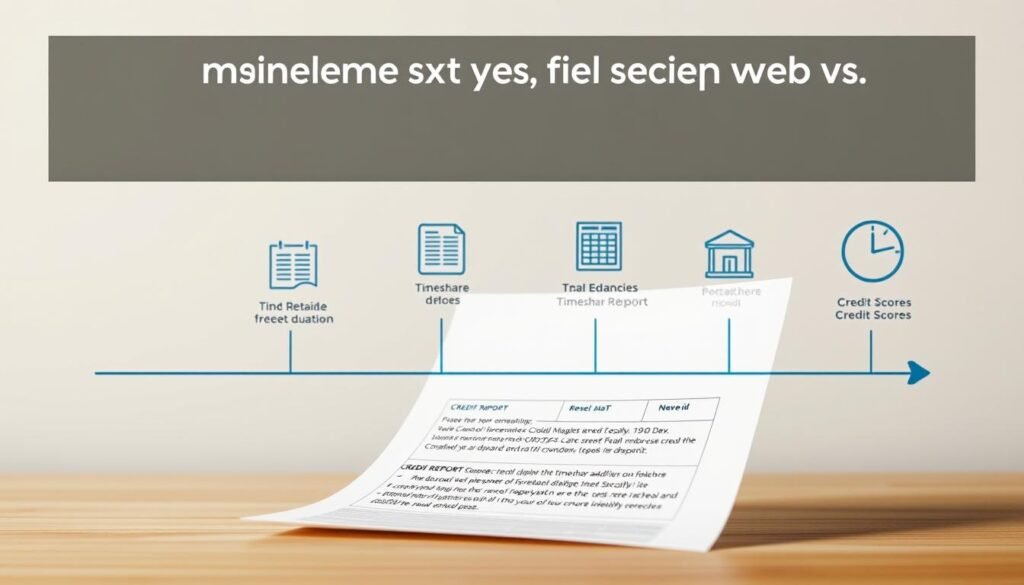
That sinking feeling when your credit report looks like a rejected screenplay? Been there. Let’s decode the calendar of consequences.
Credit Reporting Timeline
The seven-year countdown begins at your first missed payment—not when the resort finally repossesses your week in paradise. Think of it like a bad tattoo: visible longer than the bad decision that inspired it.
Three phases define this journey:
- Year 0-1: Fresh mark drops scores 100+ points
- Year 2-4: Entry remains bolded in lender reviews
- Year 5-7: Fades gradually like a timeshare memory
Equifax, Experian, and TransUnion sync their watches on this timeline. As my credit counselor noted:
“It’s not personal—just business math. Seven years is the financial industry’s statute of limitations on regret.”
Exceptions and State Variations
Texas and Florida handle foreclosure reporting like their weather—unpredictable. Some states permit early removal if you settle debts, but these cases are rarer than honest timeshare exit companies.
Your golden tickets for early deletion:
- Proven identity theft documentation
- Bureau reporting errors (wrong dates/amounts)
- Expired statute of limitations on debt collection
I once challenged a misdated entry and shaved 18 months off my report timeline. It required more paperwork than my original purchase contract—but proved even financial ghosts can be evicted.
Step-by-Step Timeshare Foreclosure Process
Imagine your timeshare contract as a theme park ride gone rogue—once the safety bar clicks, there’s no getting off until the lawyers say so. The process unfolds with military precision, designed to extract payments or reclaim property faster than you can scream “chargeback dispute.”
Initiation and Collection
Miss one payment, and the companies transform into overzealous pen pals. Their opening salvo? Friendly reminders that gradually escalate to letters threatening repossession of your week in Cabo. A collections agent once told me:
“We’re not your travel agents anymore—we’re repo men in resort wear.”
Expect daily calls that make telemarketers seem shy. After 90 days delinquent, most timeshare operators outsource to third-party collectors. These agencies operate like financial pit bulls—they’ll chase debts older than your expired passport.
Foreclosure Filing Stages
When charm offensives fail, the law takes center stage. State regulations dictate whether you’re in for a sprint or marathon:
- Florida’s 90-day express lane (thanks to 2010 reforms)
- New York’s year-long legal waltz
- California’s hybrid approach—quicker than most, but with extra paperwork hurdles
The actual court filing feels like watching dominos fall in slow motion. First comes the summons, then a judgment, finally the auction notice. Surprisingly efficient for an industry that still uses fax machines.
Key Factors That Influence the Credit Impact

Your credit score’s resilience to a timeshare disaster depends on factors more fickle than resort weather forecasts. While the foreclosure itself leaves a scar, its depth depends on your financial DNA—and whether you’ve been genetically blessed with good credit habits.
Missed Payments and Late Fees
Each skipped payment acts like a credit score voodoo doll—the more pins (read: late notices), the more your financial health withers. Timeshare companies report missed payments faster than you can say “resort fee refund,” creating a paper trail that outlasts your tan.
Three consecutive defaults? That’s when lenders hit the nuclear button. As one collections manager smirked:
“We don’t just report your missteps—we choreograph them into a credit bureau ballet.”
Overall Credit History
Your financial résumé matters more than you think. Established credit history with diverse accounts? You’ll bounce back quicker than spring break crowds. New to credit? Brace for impact—a foreclosure could crater your score like a cannonball in a kiddie pool.
Debt-to-income ratios and existing loans amplify the damage. Maxed-out cards plus a foreclosure? That’s financial quicksand with concrete shoes. Even your Netflix subscription history looks better than this mess.
Options and Strategies to Mitigate the Damage
Navigating post-foreclosure credit repair feels like untangling Christmas lights in July—frustrating but not impossible. While options are limited, strategic moves can soften the blow to your financial record.
Dispute and Removal Tactics
Credit bureaus make mistakes more often than resort chefs overcook salmon. Comb your account reports for errors in dates or amounts—these glitches are your golden tickets. I once found a duplicate entry that vanished faster than free pool towels at check-out.
Goodwill letters work better when sent to human decision-makers, not corporate drones. One manager wiped my late payment mark after I demonstrated 18 months of flawless debt management. It’s like convincing a lifeguard you’re ready to swim without floaties.
Professional Exit Assistance
Some companies specialize in timeshare exits—think of them as financial paramedics. Wesley Financial Group helped me negotiate an exit package that didn’t require selling my firstborn. Their no-cost consultation revealed options I’d never considered.
Third-party negotiators can sometimes freeze collection calls while restructuring your debt. Just ensure they’re more legit than those “free vacation” seminars. Your ability to recover hinges on choosing allies with better ethics than timeshare sales sharks.
FAQ
Will a timeshare foreclosure haunt my credit report like a bad karaoke night?
Yep! A foreclosure typically lingers for seven years, like an off-key rendition of “Sweet Caroline” you can’t shake. The major credit bureaus (Experian, Equifax, TransUnion) track it, and lenders will side-eye your applications during this period.
Can a timeshare foreclosure tank my credit score faster than a canceled timeshare presentation free buffet?
Absolutely. Your score could drop 100–200 points, turning prime loan rates into “subprime nightmare” territory. Missed payments and the foreclosure itself signal risk, making lenders charge higher interest or deny you outright. Mortgages? Credit cards? Buckle up.
Do states have different rules, or is this a one-size-fits-all credit nightmare?
Some states play by their own rules. Judicial foreclosures (court-involved) might drag out the process, while non-judicial ones hit faster. Either way, the seven-year credit report purgatory remains—unless you negotiate a deletion (rare, but possible).
If I stop paying my timeshare fees, how soon will the collection vultures circle?
After 30–90 days of missed payments, expect calls, letters, and late fees. If you ghost them, they’ll escalate to foreclosure faster than a timeshare salesperson spotting an expired coupon.
Can I dispute a timeshare foreclosure off my credit report like a Yelp review?
If there’s inaccuracies—wrong dates, amounts, or shady reporting—you can dispute it with the credit bureaus. Success isn’t guaranteed, but a polished dispute letter might work better than begging the resort’s front desk for a refund.
Will my golden retriever’s credit score suffer if I transfer the timeshare to him?
Nice try. Transferring ownership doesn’t erase your liability. Companies like Timeshare Exit Team or legal pros can help negotiate exits, but Fido’s credit remains pristine (unlike yours).
Does a timeshare foreclosure hurt more than a regular mortgage foreclosure?
Both sting, but timeshares are considered “non-mortgage debt.” Lenders might judge you less harshly than a house foreclosure, but it’s still a scarlet letter on your reports. Either way, expect higher interest rates and fewer loan approvals.
Can I outrun the seven-year credit report curse?
Only time (and punctual payments on other accounts) heals this wound. Rebuild your score by paying bills early, keeping credit card balances low, and avoiding new debt. Think of it as a financial detox.