
Last summer, I watched a couple at a Maui resort get swept up in a “limited-time offer” during a timeshare presentation. The sales rep painted visions of annual beach vacations while serving tropical drinks – classic emotional marketing. Later, I wondered: does this strategy still work in 2024?
Surprisingly, over 10 million U.S. households own vacation properties through timeshares. Nearly 9 out of 10 owners say they’re happy with their purchase. The average owner? They’re 39 – younger than most imagine – and increasingly diverse.
But here’s the twist: While many love their arrangements, others feel trapped by rising fees. I’ve spent months analyzing industry reports and interviewing owners. Some call their timeshare “the best vacation decision ever.” Others warn about lifetime financial commitments made during high-pressure pitches.
This isn’t about judging choices. It’s about cutting through the hype. Let’s explore why resort properties remain popular despite criticism, and how to decide if they align with your travel goals.
Conclusiones clave
- Over 85% of timeshare owners report satisfaction with their vacation plans
- Modern owners are younger and more diverse than common stereotypes suggest
- Emotional decision-making during sales presentations remains a key industry driver
- Maintenance fees and long-term contracts create challenges for some buyers
- Comparing timeshare worth requires evaluating personal vacation habits
Understanding Timeshare Ownership
When I first researched vacation properties, I pictured rigid schedules and cookie-cutter resorts. Today’s reality? The timeshare industry has reinvented itself with options that adapt to modern lifestyles. Let’s unpack what ownership means now versus 20 years ago.
Defining Timeshares in Today’s Market
Timeshare ownership now means shared access rather than fixed commitments. You’re buying prepaid vacation time across a network of properties. Forget being stuck with the same unit every July – most programs let you choose locations and seasons annually.
How Ownership Models Have Evolved
The old “one week, one resort” system has been replaced by three main options:
| Característica | Modelo tradicional | Enfoque moderno |
|---|---|---|
| Flexibilidad | Semanas fijas | Sistemas de puntos |
| Locations | Single resort | Global networks |
| Uso | Annual visits | Bankable credits |
This shift addresses the top complaint I hear: feeling locked into outdated plans. Many programs now let owners exchange weeks or split stays across multiple destinations. While costs remain significant, the vacation ownership model finally matches how families actually travel.
What Is a Timeshare? A Quick Overview

I once met a family who booked the same beach condo every July for a decade – until their kids started college. Their story shows why understanding different types of vacation ownership matters. Modern systems offer three distinct approaches to matching your travel rhythm.
Fixed Week, Floating Week, and Points-Based Systems
Fixed week timeshares work like clockwork. You get Unit 305 every third week of June – perfect for planners who love consistency. These week timeshares create vacation traditions, but leave little room for spontaneity.
Want more flexibility? Floating week options let you pick dates within a season. You might choose spring break one year and fall foliage the next. Trade-offs exist – prime summer weeks often require early booking.
The real game-changer? Timeshare points systems. These work like vacation currency – redeem 10,000 points for a ski trip or split them into weekend getaways. One owner told me: “Points let us take three short trips instead of one big vacation.”
Choosing between these models depends on your travel personality. For deeper insights, check our Guía completa to navigating ownership options. Remember – what worked for your neighbor’s Hawaii trips might not suit your road-trip lifestyle.
Types of Timeshare Ownership: Fixed, Floating & Points
Last month, I helped a couple in Orlando navigate three different ownership proposals. Their confusion mirrored what many face when choosing vacation plans. Today’s options range from rigid schedules to customizable escapes – each with unique perks and trade-offs.
Calendar Clarity vs. Seasonal Freedom
Fixed week timeshares work like your favorite diner’s weekly special – reliable but repetitive. You own July 4th week at Mountain Vista Resort, guaranteed. Perfect for families who thrive on tradition. One owner told me: “Knowing our lake cabin awaits every August simplifies planning.”
Floating week timeshares act like seasonal passes. Book any week during summer at Coastal Breeze properties. Want June one year and September next? Done. These systems require early reservations for peak dates but reward planners with variety.
Points: Your Vacation Currency
Major vacation club programs revolutionized the game. Marriott and Wyndham let you bank points for:
- Weekend city breaks
- Multi-resort itineraries
- Upgraded suites during off-peak seasons
One user raves: “We traded beach points for a ski lodge last winter – no extra fees.” For luxury seekers, Propiedad fraccionada offers extended stays. Think month-long access to Caribbean villas with concierge service – ideal for snowbirds avoiding full-time ownership hassles.
do people still buy timeshares

At a Denver coffee shop last month, I overheard two millennial moms discussing their family’s timeshare in Breckenridge. Their excitement about swapping winter ski weeks for summer lakefront stays made me realize: vacation ownership isn’t your grandparents’ timeshare anymore.
Examining Current Trends and Buyer Demographics
Industry data reveals a seismic shift. The typical owner is now 39 – younger than most theme park visitors. Over 40% identify as non-white, and 65% hold college degrees. Parents under 35 now make up the fastest-growing segment.
Why this surge? Young families crave structure in chaotic lives. As one owner told me: “Between soccer practices and work trips, knowing we’ve got a beach week booked every July keeps us sane.” Millennials particularly value:
| Generation | Top Motivation | Average Annual Use |
|---|---|---|
| Millennials | Guaranteed family time | 9 days |
| Gen X | Consistent vacation quality | 7 days |
| Boomers | Retirement travel flexibility | 14 days |
Modern programs cater to these needs. Points systems let tech-savvy owners book via apps, while exchange networks satisfy wanderlust. Unlike previous generations focused on investment potential, today’s buyers prioritize experience over economics.
The emotional appeal remains powerful. As one father explained: “Our kids won’t remember the PlayStation we bought, but they’ll never forget building sandcastles every August.” This mindset drives continued purchases, even in our age of Airbnb alternatives.
Pros of Buying a Timeshare
While planning my friend’s anniversary trip to Myrtle Beach last spring, I saw firsthand why many travelers opt for vacation ownership. Traditional bookings required constant price comparisons and availability checks – a headache modern timeshare models aim to eliminate.
Lifestyle Benefits and Guaranteed Vacations
Guaranteed availability transforms vacation planning. Instead of scrambling for hotel rooms during spring break, owners secure stays through pre-booked weeks or points. One Florida couple told me: “Knowing we’ve got Hawaii covered every year lets us focus on making memories, not reservations.”
Spacious layouts make family trips smoother. Over 70% of units offer:
- Full kitchens for meal prep
- Separate bedrooms for privacy
- Washer/dryers for longer stays
Access to Luxury Resorts and Amenities
Top-tier timeshare resorts rival five-star hotels. Imagine swimming in infinity pools after golfing on championship courses – all included in your maintenance fees. Many properties feature:
- On-site spas and fitness centers
- Kids’ clubs with daily activities
- Private beach access
Through vacation club networks, owners exchange weeks for global destinations. A Colorado family traded mountain winters for Caribbean summers three years running. As one member said: “We’re not just buying a room – we’re buying first-class experiences.”
Cons of Timeshare Ownership: Hidden Costs & Long-Term Commitments

My neighbor recently showed me their timeshare bill – $1,200 in maintenance fees for a week they didn’t use. This wake-up call reveals the less glamorous side of vacation ownership. Let’s cut through the brochures and examine what really keeps owners up at night.
Annual Maintenance Fees and Rising Costs
That annual maintenance fee isn’t optional – you pay even if you skip your vacation. Industry reports show:
- Average fees hit $1,085 last year
- 5.3% annual increases since 2021
- No expiration dates on 78% of contracts
One owner confessed: “Our fees doubled in 12 years – now we’re paying for vacations we don’t take.” Unlike traditional bien inmueble, these costs never stop. Even foreclosure might not erase your obligations.
Resale Challenges and Illiquidity
Need to exit your contract? Good luck. The secondary market’s flooded with units selling for pennies. I found a Hawaii timeshare listed for $1 – with $1,400 annual fees. Resale companies often charge upfront fees with no guarantees.
As one frustrated seller told me: “We’ve offered ours free for two years – zero takers.” Unlike homes that appreciate, timeshares typically lose value immediately after purchase. You’re not buying an asset – you’re prepaying decades of vacations.
Annual Maintenance Fees and Their Impact
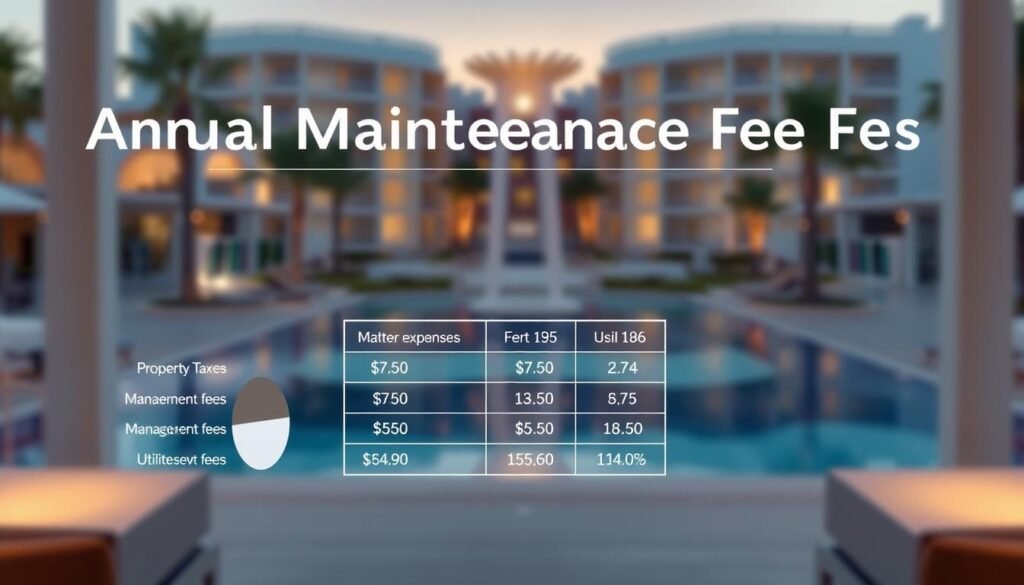
What keeps timeshare owners awake at 2 AM? For many, it’s the creeping dread of annual maintenance fees. These charges averaged $1,170 in 2022 – growing faster than the 6.5% inflation rate. Unlike hotel stays, you pay even when skipping your vacation.
Understanding the True Cost of Upkeep
Your fees fund the resort’s heartbeat. Think of them as a co-op fee split among owners. Here’s where your money goes:
| Fee Component | Typical Allocation |
|---|---|
| Property Care | Landscaping, repairs, pool maintenance |
| Staff Costs | Front desk, cleaners, activity coordinators |
| Utilities | Electricity, water, trash removal |
| Improvements | New furniture, tech upgrades |
One owner confessed: “Our fees jumped 22% in five years – now we budget for vacations we might not take.” Resorts often hike costs 4-7% yearly – outpacing inflation.
Smart owners combat fee fatigue. Some rent their weeks through verified platforms. Others trade points for smaller units to bank credits. As one creative user shared: “We offset 60% of last year’s fee by hosting a destination wedding.”
Before committing, ask: Do I value these amenities enough to pay rising costs indefinitely? Your answer determines if the math works long-term.
Resort Amenities & Vacation Exchange Options
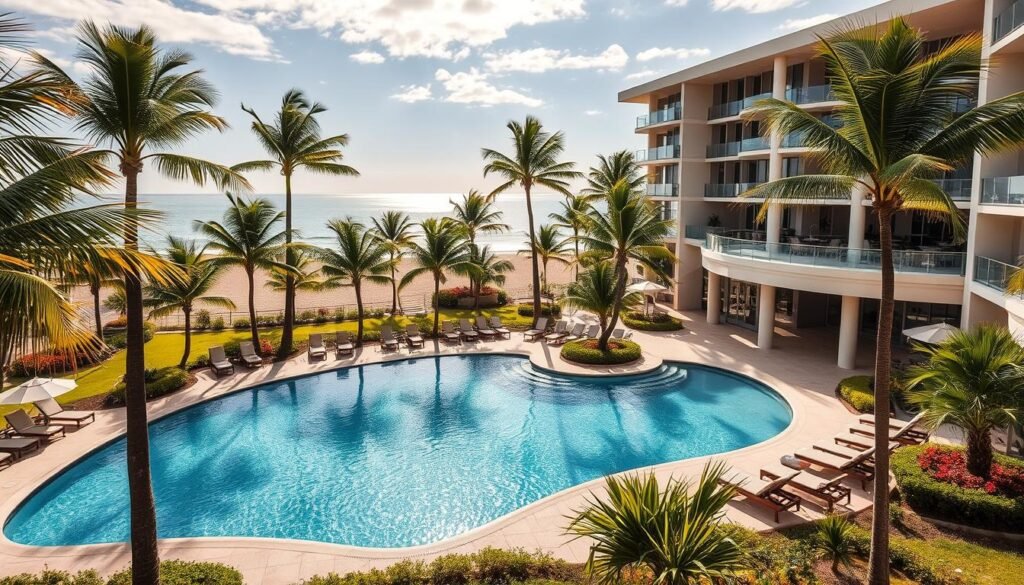
Walking through the gates of Orange Lake Resort last fall, I understood why families choose timeshare resorts over standard rentals. The sprawling property offered four golf courses and seven pools – amenities that would cost hundreds extra at typical vacation spots.
On-Site Amenities and Family-Friendly Features
Modern vacation club properties transform trips into full-service experiences. Unlike cramped hotel rooms, most units include:
- Full kitchens for meal prep savings
- Separate living/sleeping areas
- Washers-dryers for extended stays
One parent shared: “The kids’ club gives us mornings off while they make tie-dye shirts. We couldn’t get that at a regular resort.” Many locations feature tennis courts, mini-golf, and evening entertainment – turning downtime into built-in activities.
How Vacation Exchanges Expand Your Options
Your home resort is just the starting point. Through networks like RCI and Interval International, owners access 6,000+ properties globally. I met a couple who traded their Arizona week for:
| Año | Exchange | Savings vs Retail |
|---|---|---|
| 2023 | Paris apartment | $1,800 |
| 2024 | Caribbean cruise | $2,300 |
Major vacation club brands like Marriott and Hilton Grand Vacations add exotic destinations to your portfolio. One owner boasted: “We’ve stayed in Phuket and Costa Rica without paying rack rates.” Exchange memberships often include 30% off rental cars and last-minute deals – turning fixed costs into flexible adventures.
Financing Your Timeshare Purchase
At a travel conference last week, I met a couple drowning in 18% APR financing from a timeshare developer. Their story highlights why smart funding choices matter when you buy timeshare plans. Let’s explore how to avoid common financial traps.
Navigating Loans and Interest Rates
Developer financing often feels convenient – until you see the rates. Many contracts charge 12-20% APR, doubling your timeshare cost over time. One owner confessed: “We’ll pay $42,000 for a $25,000 contract through their loan.”
Third-party lenders like Vacation Club Loans change the game. Their fixed rates (6-9% APR) and seven-year terms cut costs dramatically. Benefits include:
- No prepayment penalties
- Resale market compatibility
- Clear fee structures
Financing spreads upfront costs, making buying timeshare accessible. But remember – you’re committing to decades of payments and rising fees. Always compare total loan costs against renting similar vacations.
FAQ
Are annual maintenance fees negotiable?
I’ve learned that maintenance fees are rarely negotiable. They’re set by the resort or management company to cover upkeep, taxes, and amenities. These costs typically rise yearly, so factor them into your budget before committing.
What’s the difference between fixed week and floating week timeshares?
Fixed week timeshares lock you into the same week and unit annually, while floating weeks let you choose dates within a season. I prefer floating weeks for flexibility, but they require planning ahead since popular dates book fast.
Why do timeshares lose value on the resale market?
Oversupply and aggressive developer pricing tank resale value. I’ve seen listings on platforms like RedWeek sell for pennies compared to retail. Always check resale prices before buying new—it could save you thousands.
Can points-based systems work better than traditional timeshares?
Absolutely. Brands like Marriott Vacation Club and Disney Vacation Club use points for flexibility—book different resorts, room sizes, or even cruises. But watch out for program rules and expiration dates that limit unused points.
How do vacation exchanges like RCI expand options?
Exchanges let you trade your week or points for stays at affiliated resorts globally. I’ve swapped my Orlando timeshare for ski trips in Colorado, but availability depends on demand and membership tiers. Book early for prime locations.
Are timeshares considered real estate investments?
Nope. Unlike traditional real estate, timeshares don’t appreciate. The Resort Development Association even states they’re lifestyle purchases, not financial assets. Treat them like prepaid vacations with recurring costs.
What happens if I can’t pay my maintenance fees?
Resorts can impose late fees, restrict bookings, or even foreclose. I’ve met owners who donated their timeshares to avoid penalties. Always read your contract’s fine print about default consequences.
Is fractional ownership better than traditional timeshares?
Fractional ownership (like 1/8 shares) gives longer annual stays and potential equity. It’s pricier upfront but appeals to those wanting “second home” vibes without full responsibility. Compare management fees and exit clauses carefully.