
I’ll never forget walking into the sleek Las Vegas high-rise, lured by the promise of 50,000 Hilton Honors Points just for sitting through a vacation ownership pitch. My partner joked, “We’re either getting free travel rewards or signing up for a timeshare by dessert.” What followed was a crash course in modern vacation planning – and a masterclass in sales strategy.
The two-hour session (one hour for existing owners) felt more like a theater show than a sales meeting. Bright screens flashed resort photos while the presenter explained how points could unlock stays worldwide. I quickly realized why Grandes vacaciones en Hilton structures these events carefully – they’re designed to showcase flexibility, not just hotel rooms.
What surprised me most? The pricing transparency. Numbers ranged from entry-level packages to six-figure premium tiers, all tied to HGVC membership levels. By the end, I understood why preparation matters. Knowing the developer’s background and reward structure helped me ask sharper questions – and walk away with those coveted points intact.
Conclusiones clave
- Earn substantial Hilton Honors Points for attending the full session
- New attendees should block 2 hours; current owners need half that time
- Pricing tiers reflect different vacation ownership levels
- Sales strategies emphasize flexible travel options over fixed weeks
- Developer details influence property quality and resale value
Introduction: Overview of the Presentation
Walking into the Hilton Grand Vacations event, I immediately noticed the polished setup – comfortable seating, refreshment stations, and binders waiting at each station. The team greeted me like a VIP, though I knew this hospitality served a dual purpose. Grand Vacations has mastered the art of blending education with persuasion, creating an experience that feels more collaborative than transactional.
Before the session began, staff verified my ID and credit card – standard procedure to confirm eligibility for rewards. My spouse had to join me, which made sense later when discussing shared financial decisions. The presenter opened with a relatable hook: “Who here wants to stop renting vacations and start owning them?”
The agenda flowed like a travel documentary mixed with a financial seminar. We toured global resorts through high-definition videos, then dissected HGV membership tiers. What struck me was how they addressed common objections preemptively, showcasing exit strategies and resale markets.
By the midpoint, I realized why these sessions work. They’re not selling property deeds – they’re offering a lifestyle blueprint. The final pitch focused on limited-time incentives, but thanks to my prep work, I stayed grounded. Walking out reward voucher in hand, I understood why people either sprint to the exit or reach for their wallets.
What is the elara timeshare presentation?
Walking into the session felt like entering a carefully choreographed experience. The team immediately clarified this wasn’t a generic sales pitch – it’s a structured exploration of Hilton Grand Vacations‘ travel ecosystem. My notebook quickly filled with insights about their unique approach to vacation ownership.
Overview of the Presentation Agenda
The first 20 minutes focused on why people choose vacation clubs over traditional hotel stays. Interactive maps showed how points work across Grand Vacations properties worldwide. We then transitioned to virtual tours of luxury suites, complete with mock booking demonstrations.
What surprised me? The detailed breakdown of seasonal pricing fluctuations. Staff used charts to explain how different packages offer better value during peak travel months. This clarity helped me see why some travelers prefer this model to à la carte planning.
Eligibility and Requirements
Not everyone gets through the door. The screening process looks for:
- Minimum household income (they wouldn’t specify exact figures)
- Credit scores above 660
- No recent bankruptcy history
- Residency in approved states
I learned they verify these details upfront to save time for both parties. Their system flags anyone who attended a HGV event in the past year – a smart move to filter casual incentive-seekers. While the requirements seem strict, they ensure serious conversations about long-term vacation investments.
The Elara Timeshare Sales Process
My advisor started by asking about my dream vacations, cleverly steering the conversation toward their offerings. This friendly interrogation revealed the first phase of their strategy: relationship building through personalized travel profiling. Within minutes, they’d mapped my hotel preferences and bucket-list destinations.
The education phase followed naturally. Staff used colorful brochures to explain how HGV points work across 50+ resorts. A side-by-side table showed potential savings versus paying cash for similar stays:
| Package Level | Annual Points | Destinos de muestra |
|---|---|---|
| Starter | 3,200 | Orlando, Vegas |
| Prima | 7,000 | Hawaii, New York |
| Elite | 15,000 | Europe, Asia |
During the property walkthrough, I noticed how agents emphasize flexibility. “Your Hilton Grand Vacations membership isn’t tied to one location,” my guide stressed while showing suites. They highlighted exchange programs letting owners book non-HGV properties too.
The closing phase got intense. Two different reps presented financing options, both sliding credit card applications across the table. They offered tiered packages with escalating perks – higher tiers included bonus points and room upgrades.
What kept me grounded? Remembering their sales playbook:
- Personalized appeals to FOMO (fear of missing out)
- Limited-time discount offers
- Peer pressure tactics (“Most clients choose this tier”)
By recognizing these patterns, I maintained control. When they pushed for immediate commitment, I asked for written proposals instead – a move that cooled the high-pressure moment.
Key Benefits of Hilton Grand Vacations and Elara Presentation Offer
The real magic happens when you see how those points translate into actual vacations. My eyes widened when the presenter revealed 50,000 Hilton Honors Points could cover multiple nights at luxury properties. For context, that’s enough for 5-10 free nights at mid-tier hotels or 2-3 premium stays in destinations like Hawaii.
What makes HGV stand out? Their resorts feel like upgraded home bases rather than cramped hotel rooms. During the demo booking, I saw suites with full kitchens and separate bedrooms – amenities that transform how families travel. No more eating every meal at restaurants or piling into single-room accommodations.
The financial angle surprised me most. Consider this comparison:
- Typical hotel stay: $250/night for 300 sq ft
- Hilton Grand Vacations suite: Equivalent points for 800+ sq ft with laundry
- Annual maintenance fees vs. rising hotel prices over 10 years
Owners gain flexibility I hadn’t considered. You can bank unused points for bigger trips or borrow from future years. This system works best for travelers who vacation regularly – the more you use it, the better the value becomes.
While the upfront cost gave me pause, seeing the long-term math changed my perspective. For frequent travelers, locking in today’s rates for decades of stays could outweigh traditional hotel spending. Just remember – this only makes sense if you’ll actually use those points year after year.
Navigating Taxes, Fees, and Ownership Costs
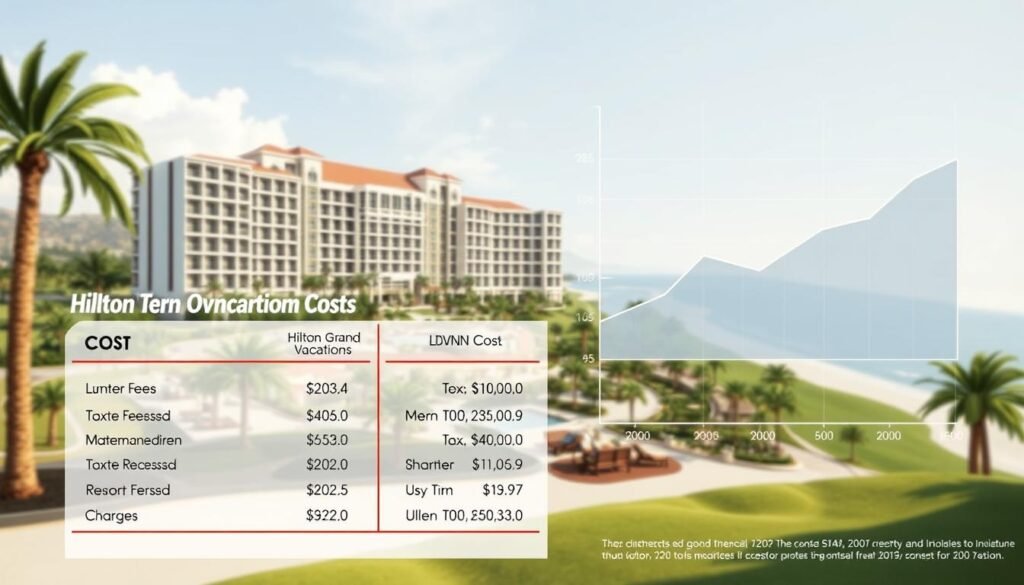
The moment I saw the initial price tag, I realized vacation ownership costs extend far beyond the purchase. My guide explained that taxes and fees add layers to the financial commitment – a reality many first-timers overlook. This part of the session peeled back the curtain on recurring expenses that can make or break the valor proposition.
Understanding Taxes and Additional Fees
Annual maintenance fees hit me first – they cover landscaping, staff salaries, and property updates. These fees increase annually, often outpacing inflation. Then came location-based surprises:
- Property taxes tied to your ownership percentage
- Local occupancy taxes during stays
- A $19.95 change fee for reservations altered more than 7 days out
Cancellation penalties shocked me most. Backing out within a week of arrival could cost:
| Cancellation Timing | Rango de tarifas |
|---|---|
| 7+ days before | $19.95 |
| Within 7 days | $175-$900 |
Comparing Pricing and Value
The real test comes when stacking costs against traditional vacations. I created this comparison framework:
- Upfront purchase price vs. 10 years of hotel spending
- Annual fees divided by planned vacation nights
- Tax deductions (some states allow them)
Frequent travelers gain the most value – using points annually lowers the per-night cost dramatically. But occasional vacationers? The math gets tricky fast. My takeaway: calculate total costs over 15 years before deciding.
A Closer Look at Accommodations and Resort Experience
The first thing that struck me was the resort’s prime location, right in the heart of the Las Vegas Strip. Walking distance to world-class shows and restaurants made me understand why location drives value here. My suite felt more like a stylish apartment than a hotel room – full kitchen, washer/dryer, and separate living areas changed how I view vacation stays.
What sets Hilton Grand Vacations apart? Their properties maintain consistent quality whether you’re in Hawaii or New York. The recurrir amenities surprised me most – three pools, a 24-hour fitness center, and concierges who secured last-minute show tickets. It’s vacationing without sacrificing home comforts.
See how suites compare to standard hotel rooms:
| Característica | Hotel Room | HGV Suite |
|---|---|---|
| Pies cuadrados | 300-400 | 800-1,200 |
| Sleeping Areas | 1 | 2-3 |
| Cocina | Mini-nevera | Electrodomésticos completos |
The Las Vegas property particularly shines for extended stays. Spacious closets and dining tables make week-long trips manageable. While hotel local work for weekends, these suites transform how families experience destinations. Just remember – luxury space comes with maintenance fees that impact overall value.
Insider Tips for a Successful Timeshare Presentation

Navigating a timeshare pitch requires equal parts preparation and restraint. Through trial and error, I discovered strategies that keep you in control while respecting the sales process. Let’s break down how to approach these events with confidence.
Before You Attend: Preparation Steps
Knowledge is your best defense. I spent hours comparing resale values on secondary markets – a reality check against “exclusive” pricing. Set a hard budget ceiling before walking in, and share it only if pressured.
Pack these essentials:
- Recent market data for similar properties
- Your vacation frequency and style notes
- A timer to track the session duration
During the Presentation: Key Observations
Watch how reps handle tough questions. When I asked about fee increases, their body language shifted. Document every number quoted – maintenance fees often hide in “standard terms” sections.
Notice patterns:
- Time-limited offers flashing on screens
- Subtle peer pressure through group dynamics
- Redirects when discussing resale challenges
After the Presentation: Follow-Up Strategies
Never decide onsite. I requested all offers in writing – a move that revealed hidden fees omitted verbally. Wait 48 hours minimum before revisiting the numbers.
Cross-check claims with:
- Independent owner forums
- State timeshare regulations
- Financial advisor reviews
Remember: The best deals survive scrutiny. If it’s truly valuable today, it’ll hold up tomorrow.
Personal Experience and Takeaways from the Presentation

What stayed with me most wasn’t the glossy brochures or sales pitches – it was the realization that vacation planning could feel like solving a puzzle with multiple solutions. The experience revealed both hidden opportunities and cleverly disguised traps.
Challenges and Surprises
I expected a hard sell, but the HGV system’s complexity caught me off guard. Their Puntos work like travel currency – book hotels, upgrade flights, or even gift stays to others. This flexibility felt empowering, but required mental math to avoid overspending.
Sales tactics blended smoothly with education. One moment we’re discussing inflation’s impact on hotel rates, the next they’re sliding financing options across the table. The real challenge? Separating genuine value from emotional appeals about “missing out” on premium tiers.
Long-Term Benefits of Ownership
For frequent travelers, the numbers can work. Locking in today’s points values protects against rising vacation costs. I crunched the math:
- 5 annual trips over 10 years = 50+ premium stays
- Average $300/night hotel vs. amortized ownership costs
- Access to Grand Vacations Club resorts with kitchen savings
The true test? Honest self-assessment. If you’ll actually use the membership yearly, it beats piecing together trips. But if travel’s occasional, traditional bookings make more sense. My takeaway: This isn’t good or bad – it’s math that changes with your lifestyle.
Comparing Elara with Other Timeshare Options

When I stacked up vacation ownership options, one detail changed my perspective completely. The Hilton Grand Vacations system operates differently than most – their points work like a travel currency rather than locking you into fixed weeks. This flexibility became obvious when I compared packages side-by-side.
What sets this brand apart? Their network includes Propiedades in prime destinations like Ocean Tower and The District. Unlike smaller companies, HGV resorts maintain consistent quality – full kitchens, modern designs, and on-site amenities that feel upscale but practical.
I analyzed three key areas where Grand Vacations shines:
- Exchange power: Their points book stays beyond Hilton networks
- Resale activity: More buyers exist for HGV contracts versus obscure brands
- Financial stability: Backed by Hilton’s corporate infrastructure
Maintenance fees landed mid-range in my comparison. While not the cheapest, predictable annual costs beat surprise assessments from newer companies. The real advantage? Combining Hilton Grand Vacations‘ reputation with a points system that adapts as your travel style evolves.
For frequent travelers, this hybrid model beats traditional timeshares. But casual vacationers might find better value elsewhere. It all depends on how often you’ll use those properties – and whether you value flexibility over fixed plans.
Addressing Common Questions and Concerns
Many attendees leave with burning questions about long-term commitments. Through conversations with other participants, I discovered shared worries about hidden costs and legal fine print. Let’s tackle these head-on.
Clarifying Fees and Taxes
Recurring costs surprised me most. Beyond the initial price, maintenance fees average $1,200-$2,500 annually. These cover property upkeep but increase 3-5% yearly. Some states add occupancy taxes during stays – a detail often buried in contract exhibits.
Compare these to traditional vacations: A $300/night hotel stay for 7 nights equals $2,100. If your vacation ownership fees run $1,800, you’d need 6+ nights yearly to break even. The math shifts dramatically based on travel frequency.
Understanding Contractual Obligations
Contracts bind tighter than I expected. Exit clauses often require selling through approved channels – a process taking 6-18 months. One phrase changed my perspective: “Perpetual obligation to pay fees.” This means costs continue even if you stop traveling.
Always review:
- Resale restrictions
- Fee escalation caps
- Default penalties
I learned to request contract copies days before signing. Cross-referencing terms with independent advisors revealed clauses the presentation glossed over. Remember: Verbal promises vanish – only written terms hold weight.
FAQ
What’s the main goal of the Elara presentation?
It’s designed to showcase how Hilton Grand Vacations ownership works. You’ll learn about flexible points-based travel, resort perks, and potential discounts if you decide to join.
Do I qualify for the offer if I’m not a Hilton Honors member?
You don’t need to be a member upfront, but signing up for Hilton Honors (it’s free!) unlocks bonus points and rewards tied to the package, like the 200 spend-night certificate.
Are the “free nights” really free?
The stay itself is covered, but you’ll still pay taxes and fees—usually around –0 total. Always ask for a breakdown upfront to avoid surprises.
How does Elara compare to other Hilton properties?
Its Vegas location and suite-style rooms stand out. Unlike some resorts, you get full kitchens and living spaces, which I found perfect for longer stays or group trips.
What’s the biggest red flag to watch for during the sales pitch?
Pressure to decide on the spot. Take your time! I asked for a copy of the contract to review later, which helped me avoid rushed choices.
Can I use my Hilton Honors points with this ownership?
Absolutely. One perk I loved was combining points with ownership benefits for upgrades or stays at other Hilton brands, like Conrad or Waldorf Astoria.
Are there hidden costs after the initial purchase?
Annual maintenance fees apply, and they can increase. Always factor those into your budget—my agent provided a 5-year fee history to gauge trends.
What if I change my mind after signing?
Nevada has a 5-day cancellation window. I kept a copy of the rescission policy and triple-checked deadlines, just in case.
Is the sales tour worth the time for the rewards?
If you’re curious about vacation ownership, yes. The 90-minute tour scored me 15,000 Hilton Honors bonus points, which I used for a weekend getaway later.
How do I maximize the value of the package?
Pair the discounted stay with Hilton’s seasonal promotions. I stacked my offer with a double-points event, boosting my rewards balance fast.