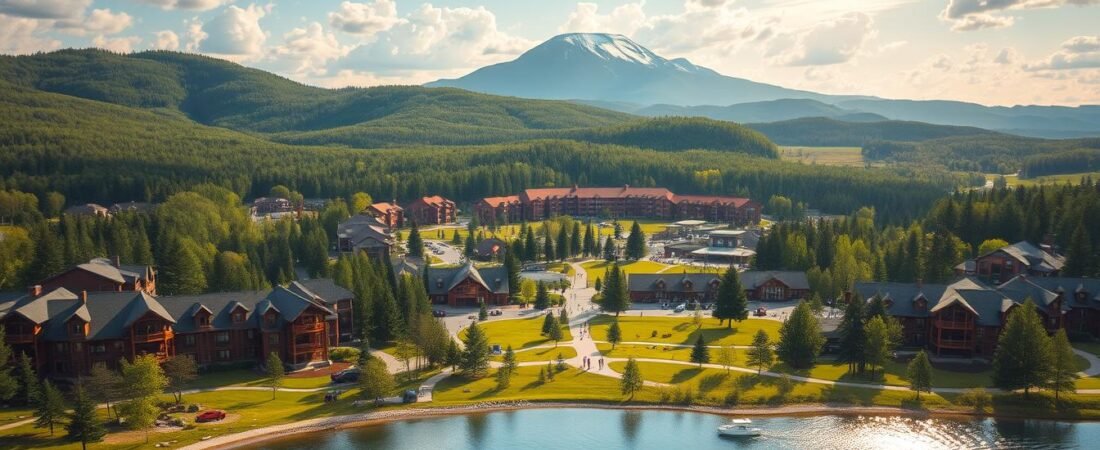
I’ll never forget sitting on my resort balcony last summer, sipping coffee while fog rolled over the Blue Ridge Mountains. That view cost me more than just a vacation—it came with a decades-long commitment. For years, I’ve juggled the perks and pressures of owning a slice of this Virginia getaway. Let me tell you, it’s not all sunset hikes and cozy fireplaces.
When I first signed the dotted line, I imagined effortless family reunions and stress-free escapes. The reality? A mix of memorable moments and unexpected headaches. Maintenance fees crept up like kudzu vines. Booking windows felt more like chess matches than vacation planning. Yet, there’s something about having a guaranteed retreat that keeps me coming back.
Through trial and error, I’ve learned what makes this ownership model work—and when it feels like an anchor. From hidden costs to last-minute availability surprises, I’m laying bare every detail. No sugarcoating, just straight talk from someone who’s lived the timeshare rollercoaster.
Conclusiones clave
- Annual fees often increase beyond initial estimates
- Booking flexibility varies by season and unit type
- Resale markets can be challenging for owners
- Perks like resort amenities offset some costs
- Personal vacation habits determine long-term value
Introduction: My Massanutten Timeshare Journey
They called it a “resort preview” – what followed felt more like financial arm wrestling. My initiation into vacation ownership began with complimentary pastries and ended with spreadsheets. The sales team circled like hawks, flipping between charm and urgency as they explained the points system.
I’d dreamed of a mountain retreat where generations could gather. The model unit’s fireplace and valley views blurred my logic. “Think of it as your second home,” the agent purred, sliding a calculator across the table. My signature dried before I processed the maintenance fee structure.
Three summers later, I’ve learned resort bookings require military precision. Prime weeks vanish faster than morning mist. That original sales pitch? It glossed over blackout dates and assessment surprises. Yet when we finally secure our week, hiking through crimson autumn leaves makes the hassle fade – temporarily.
Ownership taught me to read contracts upside down and negotiate upgrades. But I still flinch when the annual bill arrives. What started as a shortcut to family memories became a crash course in vacation economics.
is massanutten timeshare worth it: My Personal Evaluation

Three winters of canceled bookings taught me more about vacation ownership than any sales brochure. What began as a dream retreat revealed layers of complexity most brochures ignore. Your mileage will vary based on financial flexibility and how much red tape you can stomach.
As an owner, early excitement about guaranteed vacations collided with reality’s fine print. Maintenance fees ballooned 22% over five years while premium weeks became lottery tickets. Yet watching kids build snowmen on recurrir slopes still melts my frustration – temporarily.
True value emerges in the balance between access and aggravation. Can you outmaneuver booking algorithms? Will special assessments derail your budget? My breaking point came when management “lost” three reservation requests – then offered discount spa credits as consolation.
Through it all, one truth remains: This timeshare model works best for planners who treat vacations like military operations. Spontaneous travelers might find the system suffocating. Your answer lies in how tightly you want getaways to grip your calendar – and wallet.
Understanding the Massanutten Resort and Timeshare Structure
My third maintenance fee invoice arrived with a thud that shook my coffee mug. That moment crystallized what ownership truly meant – a web of commitments wrapped in mountain views. Let me break down how this vacation model actually functions behind the postcard imagery.
Decoding the Points Puzzle
The system operates on a points-based currency that feels part casino chips, part airline miles. You buy annual points to “spend” on stays, with seasons priced like surge pricing. Key details I wish I’d understood:
- Peak fall foliage weeks cost triple off-season points
- Unused points expire faster than milk
- Room upgrades drain your balance unexpectedly
Behind the Curtain at Great Eastern
Michael Owens’ team handles operations through a labyrinthine process. My attempt to dispute fees revealed:
- 60-day response times for simple inquiries
- Vague breakdowns of maintenance costs
- No voting rights on fee increases
The company maintains tight control while owners bear rising costs. You’re essentially renting a rotating unidad rather than owning property – a distinction sales agents gloss over. When reservation glitches ate my points last spring, the hospitality director’s solution? “Try booking earlier next year.”
Exploring the Pros: Benefits and Amenities

The crunch of autumn leaves underfoot during our first family hike made me briefly forget the paperwork waiting back at our cabin. While ownership comes with headaches, certain benefits shine through when the stars align.
Nature’s Playground
Peak seasons transform this Shenandoah Valley resort into a postcard come alive. Crisp mornings yield to golden afternoons perfect for zip-lining through fiery maples. Winter brings powdery slopes just steps from heated lodges – a rare combo we’ve treasured.
Hogar lejos del hogar
Our two-bedroom unit’s full kitchen saved $400 on meals last July. Unlike cramped hotels, having separate bedrooms lets generations coexist peacefully. Weekly housekeeping maintains that elusive vacation feeling without daily chores.
| Estación | Top Activities | Ventajas |
|---|---|---|
| Caer | Hiking, festivals | Free equipment rentals |
| Invierno | Skiing, tubing | Discount lift tickets |
| Verano | Water park, golf | Extended pool hours |
For planners who thrive on routine, this setup delivers. My sister’s family returns every October like clockwork – no destination debates, just familiar trails and inside jokes. That consistency holds value you can’t quantify in maintenance fees.
Examining the Cons: Challenges I Faced
My calendar notifications for reservation windows became a recurring nightmare. What began as excitement for mountain getaways turned into battles with a system seemingly rigged against users. The company‘s promises of vacation freedom collided with harsh operational realities.
Issues with Booking and Reservation Systems
Securing peak season dates felt like competing in the Hunger Games. I once logged on precisely at midnight 11 months ahead – only to watch summer weeks vanish in seconds. The portal showed phantom availability, then errored out during checkout. Three consecutive years of failed ski week bookings made me question the entire timeshare model.
Key frustrations included:
- Premium units appearing available then “mysteriously” disappearing
- No waitlist option for sold-out dates
- Points expiring before usable slots opened
Concerns Over Customer Service and Collections
When I requested fee explanations during a job loss, representatives suggested taking loans. Hospitality Director Michael Owens never responded to my certified letters. Instead, I received collection threats within 45 days of a missed payment – no payment plans offered.
The breaking point came when they tried charging me for a unit I’d successfully canceled. Their solution? “Pay first, dispute later.” This profit-over-people approach transformed my vacation haven into a financial stressor. Owners deserve better than being treated like ATM machines with check-in privileges.
Realities of Booking Difficulties and Mismanagement

My certified mail receipts tell a story no brochure mentions. Three registered letters about unresolved booking errors gather dust in corporate offices. This pattern reveals systemic issues plaguing the vacation ownership experience.
Ghosted by Hospitality Leadership
Michael Owens’ voicemail greeting still chirps “How can I enhance your stay?” – a cruel joke after eighteen months of silence. My paper trail includes:
- Four unanswered requests for fee audits
- Two ignored complaints about double-charging
- One certified letter about reservation system glitches
The company’s refusal to address legitimate concerns transforms minor issues into major frustrations. When leadership ignores owners, trust evaporates faster than morning fog on Massanutten Peak.
When Silence Speaks Volumes
Communication breakdowns create domino effects. Last spring, unclear policies led me to accidentally forfeit points. Multiple emails seeking clarification went unanswered until the deadline passed. The resort’s solution? A form letter about “personal responsibility.”
This neglect impacts financial decisions. Without timely responses from management:
- Renewal deadlines loom without proper context
- Special assessment notices arrive with vague explanations
- Booking rule changes get announced retroactively
The owner experience feels like navigating foggy trails without a compass. When the word “hospitality” becomes ironic, you know the system’s broken.
Navigating the Presentation: Avoiding High-Pressure Sales Tactics

The scent of free coffee still triggers my fight-or-flight response. Sales pitches here unfold like theatrical productions – complete with scripted pauses and manufactured urgency. Preparation became my armor against their well-rehearsed persuasion techniques.
My Strategies for Saying NO
I learned to channel my inner stone-faced poker player. Three vital rules:
- Repeat “I need 24 hours” like a mantra
- Keep hands away from pens
- Set phone timer for exit reminders
The most powerful word in these situations isn’t “maybe” or “later.” It’s a flat refusal delivered without hesitation. When they offered “just $99 down,” I channeled my inner kindergarten teacher: “That doesn’t work for me today.”
Red Flags to Watch During Presentations
Their playbook includes subtle psychological warfare. Watch for these tactics:
| Táctica | Countermove | Risk Level |
|---|---|---|
| Now-or-never discounts | Request written offer | Alto |
| Separating couples | Insist on joint discussion | Critical |
| “Limited availability” claims | Check online inventory | Medio |
Great Eastern’s representatives often push financing plans during vulnerable moments. One agent circled my budget worksheet like a shark, whispering “Your family deserves this.” I walked out clutching my untouched free gift voucher – the real prize.
“Legitimate deals don’t expire before dessert arrives.”
Create a mental list of non-negotiables before entering. Mine included “No signatures today” and “Walk away if pressured.” These boundaries transformed me from target to untouchable – the top outcome any informed attendee should seek.
Legal Concerns and Contractual Obligations

A court summons arrived in my mailbox last February – over $1,200 in disputed fees. This paper tsunami revealed how vacation ownership contracts favor the company, not the dueño. What began as a dream escape morphed into a crash course in consumer protection laws.
Debating Timeshare as Real Property
Sales agents described my purchase as “owning a piece of paradise.” Reality? You’re buying access rights, not land. Unlike traditional home ownership, there’s no equity buildup or property control. My contract essentially leases rotating weeks in a shared space.
| Aspect | Bienes raíces tradicionales | Multipropiedad |
|---|---|---|
| Ownership Rights | Full deed ownership | Usage rights only |
| Financial Obligations | Fixed mortgage | Open-ended fees |
| Potencial de reventa | Market-driven value | 90%+ value loss |
Past Legal Incidents and Their Implications
Public records show multiple lawsuits against the resort operator. One case involved:
- Undisclosed fee increases
- Aggressive collection practices
- Contract terms violating state laws
“These agreements are masterclasses in obfuscation.”
My own experience mirrors these patterns. When questioning annual assessments, I received threats of credit damage rather than explanations. The binding nature of contracts leaves little recourse beyond expensive legal battles most families can’t afford.
What keeps me up at night? The realization that my “investment” could become my children’s financial burden. Until regulations catch up with industry practices, buyers remain vulnerable to predatory structures disguised as vacation dreams.
Comparing Massanutten with Other Timeshare Resorts
My inbox overflowed with horror stories from owners at competing properties. What began as casual research revealed patterns across the vacation ownership landscape – and where this resort sits on the industry food chain.
Competitive Analysis of Industry Options
After swapping notes with owners from Florida to Colorado, a clear hierarchy emerged. While all vacation clubs have quirks, some handle bookings and fees more transparently. The word “flexibility” means vastly different things across brands.
Key differentiators stood out during comparisons. Properties in Hilton Head offered clearer cancellation policies. Myrtle Beach resorts provided better last-minute availability alerts. Even budget-friendly options in the Smokies had more responsive customer teams.
Three red flags pushed this place to the bottom of my personal list:
- Maintenance fees 38% higher than similar mountain properties
- No grace period for late payments compared to competitors
- Outdated reservation tech causing recurring errors
Industry forums confirm what I experienced firsthand. One owner group ranked this operation “the worst of the worst” for contract enforcement. While no vacation club is perfect, alternatives exist with fewer financial traps and more owner protections.
My takeaway? Always cross-check sales claims against third-party reviews. That glowing presentation might be hiding a top-shelf mess dressed in mountain views.
FAQ
What ownership options does Massanutten Resort offer?
The company uses a deeded ownership model. You’ll own a specific unit type and week, which can feel rigid compared to points-based systems at other resorts.
Are the amenities worth the commitment?
I loved perks like ski access, pools, and golf courses. But overcrowding during peak seasons sometimes made enjoying these benefits tricky.
How reliable is their booking system?
In my experience, securing preferred dates felt competitive. The online portal often showed limited availability, forcing last-minute adjustments to vacation plans.
Did you face issues with management communication?
Absolutely. Delayed responses to maintenance requests and unclear fee breakdowns created unnecessary stress. Their collections team also aggressively pursued overdue payments.
Any tips for handling sales presentations?
Set firm boundaries upfront. I declined “free gift” tours after learning they’re designed to pressure owners into costly upgrades. Watch for vague promises about future flexibility.
Are there legal risks with their contracts?
While marketed as real estate, exiting the agreement proved harder than expected. Past lawsuits over misleading practices made me consult a specialist before renewing.
How does it compare to brands like Marriott or Hilton?
Larger chains offer better exchange programs and modernized units. Massanutten’s rustic charm appeals to some, but resale values here trend lower than industry averages.
What’s your top advice for new owners?
Track all fees meticulously and book early. Join owner forums to share strategies – I’ve found workarounds for maximizing off-season stays through those groups.