
I still remember opening my first maintenance fee bill after buying a timeshare. The $1,260 charge hit like a surprise tax – three times higher than the salesperson promised. Over the next year, I discovered what 85% of timeshare owners learn the hard way: ownership costs spiral faster than vacation budgets.
New data from ARDA shows the average timeshare now costs $23,940 upfront plus those brutal annual fees. My situation mirrored Wesley Financial Group’s findings – a toxic mix of real estate obligations and travel expenses draining my savings. The “dream investment” became a financial anchor.
Through late-night research and awkward family meetings, I realized millions face this dilemma. Should we keep paying for unused weeks? What happens if we stop? Are there legal exit strategies that don’t ruin credit scores?
This guide answers those burning questions using verified industry data and real owner experiences. We’ll explore practical solutions beyond simply stopping payments – from contract loopholes to professional cancellation services. No sales pitches, just facts from someone who escaped the timeshare trap.
Wichtige Erkenntnisse
- Average timeshare costs exceed $23k upfront with $1,260/year maintenance fees
- 87% of owners report financial strain within 5 years of purchase
- Legal exit options exist beyond contract cancellation
- Professional services can negotiate exits without credit damage
- Understanding contract terms is crucial for successful exits
Introduction: My Timeshare Journey and What Led Me Here
The glossy brochures showed perfect beaches and smiling families – exactly the vacation lifestyle I wanted. Like many buyers, I fell for the pitch about “owning paradise” during a high-pressure sales event. The presenter swore my $18,000 purchase would pay for itself through decades of affordable getaways.
Setting the Stage for My Experience
Year one felt magical. We used our beach week and even traded for a mountain cabin. But by year three, the $980 maintenance fee ballooned to $1,400. Our resort sent notices about “mandatory upgrades” – code for extra charges. I discovered what 72% of owners learn: maintenance fees increase 4-6% yearly, often outpacing inflation.
Booking became a competitive sport. Prime summer weeks vanished instantly, leaving us with shoulder-season slots. Our “investment” started feeling like a part-time job managing reservations and payments.
Why I Decided to Explore Exit Options
The breaking point came when our resort demanded $3,200 for roof repairs – on top of regular fees. I finally read the contract’s fine print: “Fees may be adjusted annually at the resort’s discretion.” No caps. No opt-outs.
Online forums revealed thousands trapped in similar cycles. One owner wrote: “It’s not vacation ownership – it’s fee slavery.” That’s when I started researching escape routes that wouldn’t torch my credit score.
Understanding Timeshare Ownership and Its Financial Implications
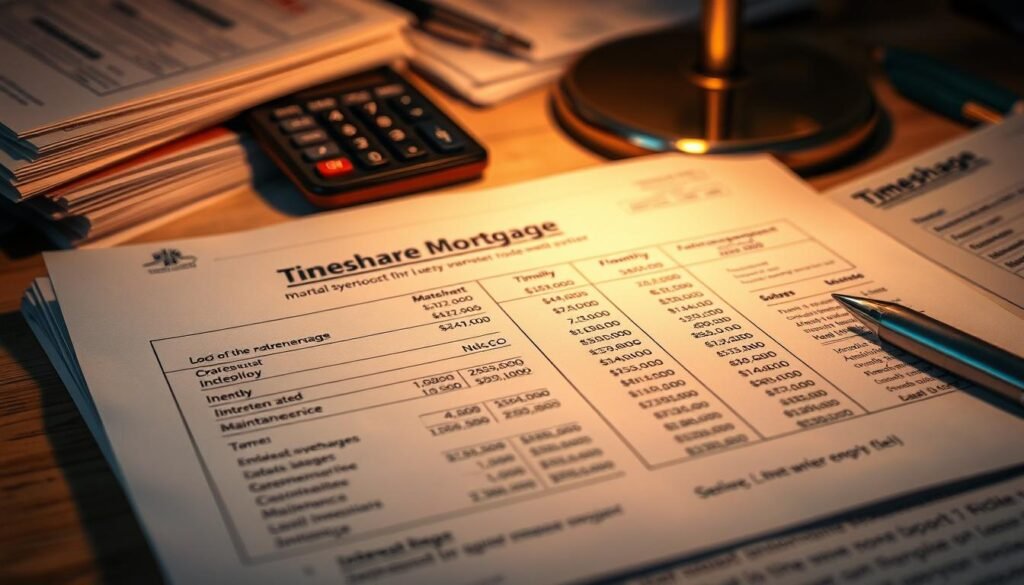
Many owners discover too late that timeshare costs extend far beyond the initial purchase price. What starts as a vacation dream often becomes a dual financial burden: mortgage debt for the property and never-ending maintenance obligations.
Maintenance Fees and Hidden Costs
My $1,260 annual maintenance fee seemed manageable until I learned it’s legally required forever – even after paying off the mortgage. These fees fund:
- Resort staff salaries
- Pool maintenance
- Property insurance
- Unexpected repairs
Resorts can hike fees 4-6% yearly – double the inflation rate. One owner told me: “They charged $800 extra last year for ‘hurricane proofing’ we never voted on.”
Mortgage Payments and Long-Term Obligations
Timeshare loans function like home mortgages but with higher interest rates (often 12-18%). A $15,000 loan over 10 years could cost $8,400 in interest alone. Unlike real estate, timeshares depreciate 50% within 4 years.
| Kostenart | 2023 Average | Growth Rate | Dauer |
|---|---|---|---|
| Mortgage | $24,000 | Fixed | 5-10 years |
| Instandhaltung | $1,260 | 4-6% yearly | Lifetime |
Combined, these payments often exceed $400/month – more than many car notes. Worse, stopping payments triggers penalties while continuing drains savings. My financial advisor called it “the worst of both worlds: endless rent plus depreciating asset.”
Can you just walk away from a timeshare
Staring at another maintenance fee invoice, I seriously considered ghosting my timeshare. While dropping payments seems tempting, here’s what I learned: abandoning ownership triggers a domino effect of financial fallout. You lose vacation access but keep the debt.
Terminating a timeshare agreement without proper protocol leads to three immediate consequences:
- Credit score drops averaging 100+ points
- Persistent collection calls escalating to lawsuits
- Potential foreclosure on your vacation week
One owner told me: “Stopping payments felt freeing… until the collection letters started. They threatened to garnish my wages!” Resorts often sell delinquent accounts to aggressive agencies within 90 days.
Foreclosure processes vary by state but typically begin after 6-12 months of missed payments. Unlike home foreclosures, timeshare proceedings rarely recover the property’s full value. This creates deficiency judgments – where you owe the difference between auction price and your remaining debt.
My research uncovered a brutal truth: walking away solves nothing. You trade temporary relief for long-term credit damage and legal headaches. Next, we’ll explore smarter exit strategies that protect your financial health.
Consequences of Abandoning Timeshare Payments

Three months after missing my first payment, a collections letter arrived with a red “URGENT” stamp. That’s when reality hit: timeshare debt follows you like a shadow, even if you stop using the property.
Impact on Credit Score and Financial Health
Late payments slash credit scores immediately. Each missed installment shows as a 30-90 day delinquency, dropping scores 60-150 points. One owner told me: “My 720 credit rating became 580 in six months – apartment applications got rejected instantly.”
Foreclosures linger on credit reports for seven years. Loan officers see this as financial irresponsibility, often denying mortgages or car loans. Even job applications get tricky – 28% of employers check credit histories during hiring.
Foreclosure Procedures and Legal Action
Resorts use two foreclosure types:
- Judicial: Court-supervised process allowing deficiency judgments
- Non-judicial: Faster auction after default notices
My neighbor faced a $14,000 bill after their timeshare sold for half its debt at auction. Collections agencies called twice daily, threatening wage garnishment. Legal fees piled up faster than the original maintenance costs.
Smart exits protect your financial future better than impulsive abandonment. Next, we’ll break down contract terms that might offer escape routes.
Decoding the Timeshare Agreement
Timeshare contracts read like legal mazes – 42 pages of “whereas” clauses and “heretofore” obligations. My eyes glazed over during my first contract review until I spotted this gem: “Ownership continues until death or transfer.” Translation? You’re stuck unless you find specific exit triggers.
| Clause | What It Means | Owner Impact |
|---|---|---|
| Perpetuity | Binding for life | No expiration date |
| Vorkaufsrecht | Resort blocks resales | Market value crushed |
| Besondere Bewertungen | Unlimited extra fees | Budget busters |
One frustrated owner told me: “Our resort demanded $5k for pool repairs last year. The contract said they could charge whatever they wanted – we had zero say.” Maintenance fee sections often hide percentage-based increases, letting resorts outpace inflation.
Transfer restrictions hit hardest. Many agreements require paying 15-20% of original price just to give your week back. Some even ban renting during prime seasons. I circled these sections in red during my contract review:
- Section 4B: Mandatory fee increases
- Section 9D: Resale approval process
- Addendum 3: Arbitration requirements
Smart exits start with understanding your agreement’s fine print. Grab a highlighter and look for sunset clauses or Widerrufsrecht – rare but powerful tools if present. When in doubt, snap photos of questionable sections for legal review.
The True Cost of Timeshare Maintenance Fees
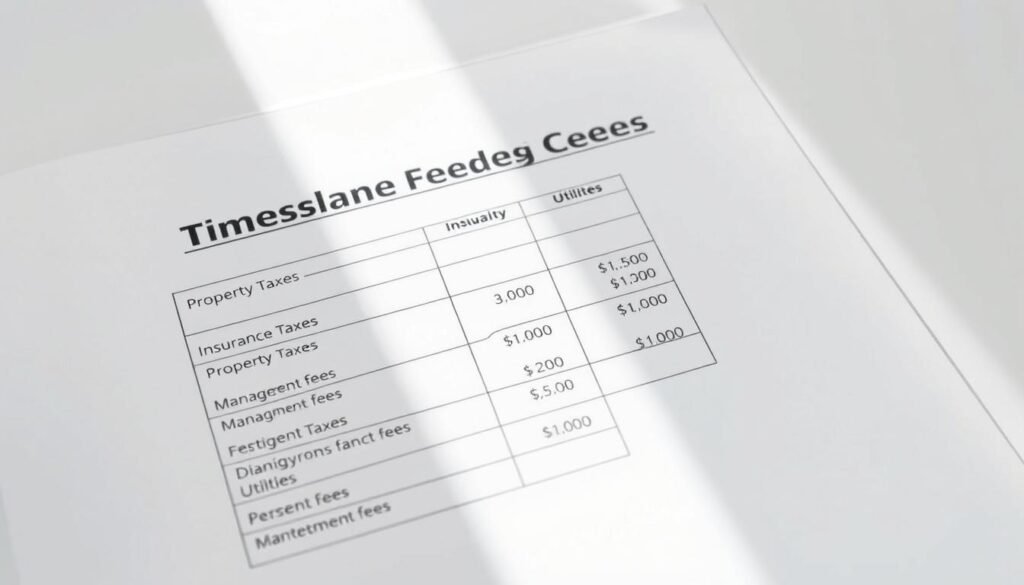
My resort’s “fee adjustment notice” arrived disguised as a vacation newsletter – until I spotted the 8% increase buried in paragraph seven. This sneaky tactic revealed how resorts treat maintenance fees as profit engines rather than operational budgets.
Why Fees Keep Climbing
Annual increases aren’t about pool cleaning or lawn care. Resorts bake automatic raises into contracts using vague terms like “operational needs.” My fees jumped 62% over eight years while inflation rose 19%. Here’s where your money really goes:
- Sales team commissions
- Corporate profit margins
- Executive bonuses
- Marketing budgets
One board member slipped me this truth: “Maintenance fees exist to fund expansion – not maintain existing units.” Their 2022 financials showed 43% of fees went toward new construction.
The Resort’s Cash Machine
Special assessments turn properties into ATMs. When hurricanes damaged my resort, they charged owners $1,800 each while keeping insurance payouts. The math reveals the profit model:
| Jahr | Average Fee | Resort Profit |
|---|---|---|
| 2015 | $980 | $297 |
| 2023 | $1,560 | $612 |
Collections start friendly but turn ruthless. After three missed payments, my resort transferred the debt to a agency that called daily. Many owners report lawsuits filed within six months of default – even for balances under $2,000.
Exploring Alternative Timeshare Exit Options
After seven years of battling escalating fees, I uncovered five legitimate escape routes from my timeshare nightmare. Contrary to popular belief, exiting ownership doesn’t always require credit damage or legal battles. The key lies in understanding which exit strategy aligns with your contract terms and financial goals.
Deed-Back Programs Explained
Some resorts offer surrender programs – if you know where to look. My successful deed-back required meeting three conditions:
- Ownership duration exceeding 5 years
- Zero outstanding mortgage balance
- Payment of $3,500 transfer fee
These programs often hide in contract addendums or resort websites. One owner shared: “I found our surrender clause buried in section 22C – saved me $14k in future fees.” Always request written confirmation of successful termination.
Resale Market Realities
The secondary market reveals harsh truths about timeshare value. My beachfront week originally cost $24k – resale platforms listed similar units for $1. Here’s why:
| Faktor | Impact |
|---|---|
| Resort resale bans | Blocks 78% of potential buyers |
| Transfer fees | Average $2,100 per contract |
| Maintenance fees | Deter 92% of interested parties |
While selling isn’t profitable, it stops fee obligations. I learned to vet buyers thoroughly – some companies promise quick sales but charge upfront fees without results.
Every exit option carries trade-offs. Deed-backs offer clean breaks but require perfect payment history. Resales eliminate fees but rarely recoup costs. The right choice depends on your urgency, finances, and resort policies. Next, we’ll examine rental strategies that might offset costs while you plan your escape.
Renting Out Your Timeshare: Pros and Cons

Posting my timeshare rental listing felt like launching a small business – until reality hit. While resorts push rentals as an easy fix, most owners earn less than half their maintenance fees through bookings. The math rarely adds up when competing with hotel chains and vacation platforms.
Potential Income vs. Hassle
My beach week generated $800 in rental income last year – $460 short of covering the $1,260 maintenance fee. Seasonal demand creates feast-or-famine cycles:
| Income Sources | Average Return | Effort Required |
|---|---|---|
| Peak Season Rentals | $300-$500/week | 6+ months advance marketing |
| Off-Season Rentals | $100-$200/week | Price slashing & last-minute deals |
One owner shared: “Renting requires constant hustle. I spent 20 hours monthly answering inquiries – only to have guests trash the unit.” Unexpected costs like cleaning fees and damage repairs often erase profits.
Key challenges include:
- Resort restrictions on advertising
- Platform commissions up to 15%
- Liability for guest incidents
While rentals might offset partial vacation expenses, they rarely solve long-term financial strain. Consider this strategy only if you enjoy property management – otherwise, focus on permanent exit solutions.
Legal Repercussions: Foreclosure and Lawsuits

The certified mail envelope felt heavier than usual – inside lay foreclosure paperwork from my resort. This marked the start of a legal domino effect I never anticipated. Defaulting on timeshare payments doesn’t just pause vacations – it activates complex property repossession processes.
Two Paths to Property Loss
Resorts pursue foreclosure through different legal channels. Judicial processes involve court oversight, while non-judicial options bypass judges entirely. My attorney explained the contrast:
| Process Type | Zeitstrahl | Owner Rights | Key Risk |
|---|---|---|---|
| Judicial | 6-18 Monate | Court hearings | Deficiency judgments |
| Non-Judicial | 3-9 Monate | Limited appeals | Quick auction |
In Florida (a judicial state), my friend faced three court dates before losing her beach week. Arizona allows non-judicial foreclosures – her cousin’s property sold in 112 days without hearings.
The Debt That Keeps Biting
Foreclosure auctions rarely cover outstanding loan balances. One legal expert warned me: “Bid prices average 37% of debt – you’re still liable for the remaining 63%.” These deficiency judgments become new, unsecured debts that:
- Accrue interest at 8-12%
- Appear as separate credit report entries
- Can lead to wage garnishment
My resort’s attorney filed a $11,200 deficiency claim six months after foreclosure. States like California prohibit these judgments for primary homes – but timeshares rarely qualify for protection.
Recognizing foreclosure stages saved me thousands:
- Default notice (30 days late)
- Acceleration letter (full balance demanded)
- Lis pendens filing (property lien)
When collection letters arrive, consult a lawyer immediately. Many states require written responses within 20 days to preserve rights. My delayed reply nearly cost me a crucial defense argument.
Navigating the Legal Maze with Expert Advice
Legal paperwork piled higher than my unused beach towels – that’s when I realized I needed professional help. Timeshare contracts contain landmines most owners don’t see until it’s too late. A skilled attorney became my GPS through this confusing terrain.
Finding the Right Legal Partner
Not all lawyers understand timeshare law’s quirks. I interviewed three specialists before choosing one who’d handled 100+ cases. Key questions I asked:
| Question | Zweck |
|---|---|
| How many timeshare cases closed last year? | Gauge experience level |
| What’s your success rate with deed surrenders? | Assess practical results |
| Do you work contingency or hourly? | Clarify cost structure |
My attorney spotted three contract violations the resort hoped I’d miss. “This arbitration clause expired two years ago,” she noted, circling dates in red. That discovery alone saved $8,200 in potential fees.
Legal fees vary widely. Some firms offer free initial reviews – mine charged $350 but credited it toward future services. Payment plans helped manage costs without draining savings.
Early consultation prevents costly mistakes. One owner shared: “My lawyer found a rescission window I’d missed – saved seven years of payments.” Proper guidance transforms overwhelming legalese into actionable steps.
How Timeshare Exit Companies Can Help
A friend slid a business card across the table after hearing my timeshare woes – “These folks got me out last year.” That referral introduced me to professional cancellation services, a lifeline for owners drowning in perpetual fees.
Role of Cancellation Experts
Reputable firms like Wesley Financial Group employ specialists who dissect contracts line by line. Their team helped over 50,000 families escape burdensome agreements by finding:
- Undisclosed fee structures
- Violations of state cooling-off periods
- Evidence of sales misrepresentation
The process typically unfolds in three phases:
- Contract review (2-4 weeks)
- Negotiation with resort (3-9 months)
- Official termination paperwork
One client shared: “Our exit company spotted an expired arbitration clause – saved us $12k in potential legal fees.” These services prove invaluable for victims of high-pressure sales tactics, though success depends on contract specifics.
Choose companies with verifiable results and clear pricing. Avoid firms demanding upfront payments before reviewing your agreement. The right partner turns endless obligations into closed chapters.
Buyer Beware: Identifying and Avoiding Scams
The timeshare exit industry’s dark secret? Scammers outnumber legitimate services 3-to-1. During my escape journey, I encountered more fraud attempts than actual solutions – from “guaranteed exits” to fake government agencies.
Red flags scream louder than sales pitches. Demands for upfront payments before contract reviews top the list. One company wanted $5,000 immediately, promising “100% success rates.” Real professionals charge only after verifying your case’s viability.
Phishing schemes now mimic reputable firms. Always check:
- State business licenses
- Better Business Bureau complaints
- ARDA membership status
My rule? Verify credentials through three independent sources. A Florida-based “exit specialist” crumbled under scrutiny – their address led to a UPS store mailbox.
Protect personal data like gold. Fraudsters often request Social Security numbers or banking details early in discussions. Legitimate companies use secure portals and explain why specific information matters.
Knowledge remains your best defense. Research firms extensively, trust verified reviews over flashy websites, and remember: no ethical service pressures immediate decisions.
FAQ
Will my credit score tank if I stop paying my timeshare?
Yep, it likely will. When I missed payments, the resort reported it to credit bureaus. If they foreclose or take legal action, that stays on your report for years. It’s a brutal hit to financial health.
Can I just sell my timeshare to avoid fees?
I tried the resale market first. Most buyers won’t touch timeshares unless you sell for pennies. Even then, closing costs and transfer fees eat into profits. It’s not the easy exit many owners hope for.
What’s the deal with deed-back programs?
Some resorts offer these, but mine didn’t. If yours does, you surrender ownership legally. Watch for hidden fees or conditions. It’s cleaner than foreclosure but rarely advertised.
Sind Timesharing-Exit-Unternehmen legitim?
Some are, but scams thrive here. I vetted companies through BBB and real client reviews. Legit ones explain your contract’s cancellation clauses. Never pay upfront—red flag!
Can renting out my timeshare cover costs?
Maybe short-term. I made partial fees back, but management hassles and competition killed the profit. Plus, rental income rarely matches rising maintenance fees.
What’s worse—foreclosure or a lawsuit?
Both suck. Foreclosure trashes your credit, but lawsuits add wage garnishment risks. My lawyer warned about deficiency judgments if the sale doesn’t cover the loan. Neither’s a “good” option.
Warum steigen die Wartungsgebühren immer weiter?
Resorts often hike fees 3-10% yearly. Mine blamed “property upgrades,” but it’s profit-driven. Contracts lock you into paying, even if you stop using the unit.
Wie erkenne ich einen Timesharing-Exit-Betrug?
Pressure tactics, fake guarantees, and refusing to put terms in writing are clues. I hung up on anyone who claimed “100% success rates.” Real experts set realistic expectations.
Should I hire a lawyer to exit my timeshare?
If your contract’s complex or you’re facing lawsuits, yes. I found one specializing in real estate law. They navigated loopholes I’d never spot, saving me from worse fallout.
Is walking away ever the best move?
For me, it was last-resort. After weighing credit damage vs. decades of fees, I chose foreclosure. But consult a pro first—your financial situation might support better options.