
Picture this: You’re sipping margaritas by the pool at your beloved beachfront resort, until your phone buzzes with a payment reminder for annual fees that now cost more than your last flight to Hawaii. Sound familiar? You’re not alone – over 9.9 million U.S. households face similar vacation math headaches every year.
I’ve watched countless owners wrestle with rising resort costs that transform “paradise” into financial quicksand. While that original sales pitch promised effortless getaways, today’s reality often involves contracts that age like milk – complete with obligations that outlast marriages and hairstyles.
This guide cuts through the tropical cocktails and sunset fantasies. We’ll explore the real consequences of severing ties with your vacation property, the legal domino effect that follows unpaid bills, and smarter exit strategies than simply ghosting your resort. No fluff, just straight talk from someone who’s navigated this maze with hundreds of owners.
Key Takeaways
- Resorts can pursue collections through credit damage and legal action
- Exit strategies exist beyond abandoning your contract
- Annual costs often increase faster than inflation
- Professional help often beats DIY solutions
- Timing your exit impacts financial outcomes
Understanding Timeshare Maintenance Fees
Let’s peel back the tropical-print curtain on resort life’s dirty little secret: those yearly charges that make your vacation slice feel more like a financial anvil. Maintenance fees aren’t optional add-ons – they’re the lifeblood keeping pools chlorinated and lobby pianos tuned.
More Than Just Poolside Margarita Money
Your payments fund a hidden ecosystem of resort operations. That $1,480 average (per ARDA’s 2024 report) gets split between:
- Landscapers pruning bougainvillea
- Insurance for hurricane-prone regions
- Property taxes funding local infrastructure
Think of it like co-owning a mansion with 500 strangers. Nobody gets to skip their share of roof repairs. Resorts operate similarly – your vacation haven requires collective investment.
The Inevitable Climb
Unlike your 90s hairstyle, these costs don’t stay frozen in time. Annual increases average 3-5%, outpacing inflation. Management companies justify hikes through:
- Rising labor costs
- Luxury amenity upgrades
- Emergency repair funds
Your original purchase price was just the entry fee. Maintenance fees? That’s the subscription service keeping your investment from becoming a boarded-up eyesore. Next, we’ll break down exactly where those dollars vanish faster than sunscreen at noon.
Components of Your Annual Maintenance Fees
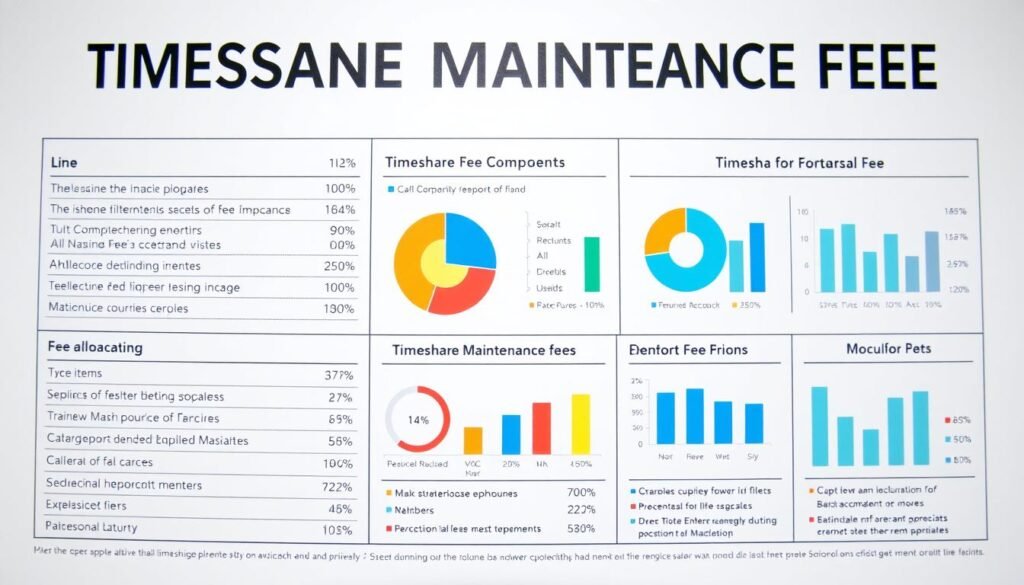
Let’s crack open the resort piggybank. Your annual payments fuel a machine with more moving parts than a timeshare sales pitch. From towel folding to tsunami prep, every dollar gets assigned a job before you even unpack your sunscreen.
What Fees Cover: Repairs, Upgrades, and More
- A landscaper’s hedge trimmer
- An electrician’s voltage tester
- A lobby designer’s mood board
Your money funds both visible upgrades (think marble countertops) and invisible essentials like earthquake retrofitting. Resorts even stash cash for “surprise parties” nobody wants – hurricane damage, plumbing disasters, or that one time a golf cart took out the tiki bar.
Examples of Typical Costs by Unit Size
Square footage is the crystal ball predicting your annual bill. Bigger spaces mean more:
| Unit Size | Average Annual Cost |
|---|---|
| Studio | $1,090 |
| 1-Bedroom | $1,140 |
| 2-Bedroom | $1,450 |
| 3-Bedroom+ | $1,790 |
Source: ARDA 2024 industry report
Notice how costs jump 25% between studios and three-bedroom units? That’s the premium for extra bathrooms to clean and AC units to service. Pro tip: That “spa-like ensuite” costs more to maintain than your actual spa visits.
How Maintenance Fees Impact Timeshare Ownership
Property value and maintenance fees share a tighter bond than most vacation flings. That beachfront balcony you love? Its charm relies on an unspoken pact between every owner.
The Role of Fees in Maintaining Property Value
Think of your annual payments like oil changes for a luxury sedan. Skip three, and suddenly your BMW coughs black smoke at stoplights. Resorts operate similarly – consistent investments prevent cracked tiles from becoming sinkholes.
Your fees fund a collective potluck dinner where everyone brings cash instead of casseroles. When owners skip their contributions, the resort menu shrinks to stale crackers and warm soda. I’ve seen properties transform from Hawaiian paradise to abandoned movie set in five delinquent years.
Consider this reality:
- Pools turn green without chemical treatments
- Lobbies develop 1970s airport terminal vibes
- Rooms acquire “vintage charm” (code for broken AC)
Well-funded resorts maintain 83% higher resale values according to recent industry data. Your payments don’t guarantee profits, but they prevent your investment from becoming beachfront landfill. Next, we’ll explore what occurs when too many owners bail on this financial group hug.
what happens if you stop paying timeshare maintenance fees

Ignoring resort bills works like sunburn – the discomfort arrives hours after you’ve left the beach. Missed contributions trigger a domino effect that rolls from your mailbox to courtroom steps.
Immediate Consequences and Credit Impact
Resorts treat payment gaps like expired sunscreen – they’ll keep reapplying pressure. Expect:
- Late charges multiplying faster than resort towel fees
- Daily calls that make political surveys seem relaxing
- Credit bureau notifications within 90 days
Consider this nightmare math:
| Months Delinquent | Average Fees Added | Credit Score Drop |
|---|---|---|
| 1 | $150 | 20-40 points |
| 3 | $475 | 50-100 points |
| 6+ | $1,100+ | 150+ points |
I’ve seen 720 scores crater to subprime levels faster than you can say “vacation bankruptcy.” Mortgage applications get rejected like timeshare exit letters once these marks appear.
Legal Risks and Foreclosure Possibilities
Resorts wield contracts sharper than a concierge’s pressed suit. Two foreclosure paths exist:
- Judicial: Courtroom drama with attorneys
- Non-judicial: Swift property seizure
Both roads lead to the same destination – your name on deficiency judgments. These legal ghosts can haunt bank accounts for years, demanding balances beyond the property’s value.
Remember: Resorts always collect their piña colada money. Either through your wallet… or what’s left of your creditworthiness.
Common Consequences of Missed Payments
That dreamy resort contract transforms into financial gremlins the moment payments lapse. I’ve witnessed billing departments deploy more persistence than a timeshare salesman with unlimited piña coladas.
The Art of Penalty Multiplication
Resort late fees operate like casino odds – always favoring the house. A single missed $1,200 payment balloons to $1,800 faster than you can say “compound interest.” These charges stack like lounge chairs during hurricane season, with:
- 5-10% monthly penalties
- $50 “administrative surcharges”
- Interest rates rivaling credit cards
Dialing for Dollars
Collection calls begin before your next beach towel dries. Resorts outsource harassment to agencies that make robocalls seem charming. Expect:
6am wake-up calls masquerading as “courtesy reminders”
Thick envelopes with red ink threats
Credit bureau alerts that drop scores like overbooked flights
One client’s mailbox became a daily horror show – 37 collection letters in a month. Their FICO score? Let’s just say payday lenders started offering “special deals.”
FAQ
Can my credit score tank if I ghost my maintenance fees?
Absolutely. Skipping payments can lead to delinquency reports, which drop credit scores faster than a Wi-Fi signal in the mountains. Resorts often send unpaid bills to collections, and that stain lingers on your credit report for years.
Will the resort really foreclose over unpaid fees?
Yep, they’re not bluffing. Just like a mortgage lender, resorts can initiate foreclosure to reclaim ownership. Legal fees pile up, and you’ll still owe the balance even after losing the property. It’s a lose-lose buffet.
What’s actually covered in these annual fees?
Think utilities, repairs, landscaping, and staff salaries—basically everything except your champagne tastes. Larger units cost more, with fees ranging from
FAQ
Can my credit score tank if I ghost my maintenance fees?
Absolutely. Skipping payments can lead to delinquency reports, which drop credit scores faster than a Wi-Fi signal in the mountains. Resorts often send unpaid bills to collections, and that stain lingers on your credit report for years.
Will the resort really foreclose over unpaid fees?
Yep, they’re not bluffing. Just like a mortgage lender, resorts can initiate foreclosure to reclaim ownership. Legal fees pile up, and you’ll still owe the balance even after losing the property. It’s a lose-lose buffet.
What’s actually covered in these annual fees?
Think utilities, repairs, landscaping, and staff salaries—basically everything except your champagne tastes. Larger units cost more, with fees ranging from $1,000 to $2,500+ yearly. Budget for inflation, too; resorts love raising rates.
Do late penalties ever stop accumulating?
Nope. Late fees compound like interest on a payday loan. Ignore them, and you’ll get relentless calls from collections. Some resorts even sue for unpaid balances. Pro tip: It’s cheaper to negotiate early.
Can I just sell my timeshare to avoid fees?
In theory, yes. In reality? The resale market’s flooded, and most units sell for pennies—if at all. Many owners end up paying transfer fees just to unload their contracts. It’s like trying to offload a parachute mid-flight.
Are there legit ways to exit a timeshare without ruin?
Sometimes. Options like deedbacks or hiring an attorney exist, but tread carefully. Avoid “exit companies” promising miracles—many are scams. Always verify a company’s rep with the BBB or state attorney general first.
Why do HOAs get involved in fee disputes?
HOAs enforce resort rules and collect fees. Miss payments, and they’ll sic collections on you faster than a seagull on a fry. They’re also the ones approving upgrades that hike your costs annually.
Could I negotiate a lower fee with the resort?
Rarely. Resorts treat fees like gravity—non-negotiable. But if you’re drowning in debt, some might offer payment plans. Just don’t expect discounts. Their goal? Keep the pool heated and your wallet drained.
Do maintenance fees ever decrease?
Ha! Fees only go up, like a Netflix subscription you never use. Resorts blame inflation, renovations, or “unexpected costs” (read: that new tiki bar). Budget for annual hikes, or prepare for sticker shock.
How do scams prey on owners behind on payments?
Scammers smell desperation. They’ll promise “free exits” or “fee forgiveness” for upfront cash—then vanish. Always vet companies through the American Resort Development Association (ARDA) before signing anything.
,000 to ,500+ yearly. Budget for inflation, too; resorts love raising rates.
Do late penalties ever stop accumulating?
Nope. Late fees compound like interest on a payday loan. Ignore them, and you’ll get relentless calls from collections. Some resorts even sue for unpaid balances. Pro tip: It’s cheaper to negotiate early.
Can I just sell my timeshare to avoid fees?
In theory, yes. In reality? The resale market’s flooded, and most units sell for pennies—if at all. Many owners end up paying transfer fees just to unload their contracts. It’s like trying to offload a parachute mid-flight.
Are there legit ways to exit a timeshare without ruin?
Sometimes. Options like deedbacks or hiring an attorney exist, but tread carefully. Avoid “exit companies” promising miracles—many are scams. Always verify a company’s rep with the BBB or state attorney general first.
Why do HOAs get involved in fee disputes?
HOAs enforce resort rules and collect fees. Miss payments, and they’ll sic collections on you faster than a seagull on a fry. They’re also the ones approving upgrades that hike your costs annually.
Could I negotiate a lower fee with the resort?
Rarely. Resorts treat fees like gravity—non-negotiable. But if you’re drowning in debt, some might offer payment plans. Just don’t expect discounts. Their goal? Keep the pool heated and your wallet drained.
Do maintenance fees ever decrease?
Ha! Fees only go up, like a Netflix subscription you never use. Resorts blame inflation, renovations, or “unexpected costs” (read: that new tiki bar). Budget for annual hikes, or prepare for sticker shock.
How do scams prey on owners behind on payments?
Scammers smell desperation. They’ll promise “free exits” or “fee forgiveness” for upfront cash—then vanish. Always vet companies through the American Resort Development Association (ARDA) before signing anything.