
I’ll never forget arriving at a beachfront condo years ago, only to find three different families arguing over who actually booked July 4th week. Turns out, they all technically owned it. That’s when I realized: shared vacation spots rely on systems tighter than a packed suitcase. Imagine 52 strangers sharing one property—each claiming their sliver of paradise without stepping on each other’s flip-flops.
The secret sauce? Dividing properties into bite-sized slices. Most arrangements carve the calendar into 52 neat weeks, letting owners stake their claim like clockwork. But here’s the kicker: not all slices are created equal. Some come with deeds as solid as the property itself, while others feel more like golden tickets with expiration dates.
Modern versions have ditched rigid calendars for flexible points systems—think vacation currency. You’re not just buying a week anymore; you’re building a menu of possibilities. Yet beneath the upgrades, the core remains: clever legal frameworks keep the peace among dozens of temporary “landlords.”
Key Takeaways
- Traditional models divide properties into 52 annual weeks with multiple co-owners
- Ownership structures range from permanent deeds to time-limited contracts
- Modern systems use points for flexible vacation planning
- Legal agreements prevent scheduling conflicts between owners
- Options include fixed weeks, floating dates, and biennial arrangements
Introduction to My Timeshare Journey
Picture this: me, a spreadsheet, and 52 weeks of potential vacation drama—welcome to my timeshare education. It began when I asked, “Why rent when I could own sunsets?” Turns out, paradise comes with more fine print than a mortgage agreement.
I dove into vacation ownership like a kid in a resort pool, only to find myself in the deep end of legal jargon. Traditional timeshares seemed simple—until I discovered fractional ownership models that split properties like pizza slices at a shareholder meeting. My “investment” suddenly felt more like a mathlete’s nightmare.
The rabbit hole of resort rules revealed something crucial: what you think you own often isn’t what you actually control. Fixed weeks? Floating dates? Points systems? I once confused a deeded week with a timeshare points package—a mistake that cost me two hours on hold with a resort concierge.
Through burned deposits and scheduling snafus, I learned vacation properties operate on a simple truth: shared space requires unshared clarity. Now I help friends navigate this maze—because nobody should need a law degree to book their beach week.
How is Timeshare Ownership Typically Split

Ever tried dividing a birthday cake among 52 kids? That’s essentially what happens with vacation properties in traditional setups. The calendar becomes the knife, slicing a year into 52 equal portions—one for each smiling family clutching their golden ticket.
Here’s the sweet spot: you’re not buying bricks and mortar. You’re grabbing a sliver of time. My first encounter with this system felt like discovering hotels run on arithmetic witchcraft. That beachfront condo? It technically hosts 52 different “landlords” annually, each holding rights to seven specific days.
Some resorts double the fun—and the math. Biennial arrangements let two families share the same July week across alternating years. Suddenly, your property has 104 partial owners sipping margaritas in shifts. I once met a couple who accidentally booked their “off year” and showed up to find strangers in their kitchen.
The magic lies in meticulous scheduling. Fixed-week contracts anchor you to specific dates—think Christmas in Aspen every December. Floating systems offer more flexibility but require Olympic-level calendar coordination. Either way, the number of owners per unit remains dizzying until you realize everyone’s just chasing their own sliver of paradise.
Modern iterations have streamlined the process, but the core principle remains: shared sunsets require shared systems. Whether you’re splitting weeks or points, clarity keeps vacation dreams from becoming scheduling nightmares.
Traditional Timeshare Structures Overview
Imagine holding a property deed that expires faster than milk—welcome to the world of traditional vacation arrangements. These systems come in three flavors that’ll make your head spin faster than a timeshare sales pitch.
Defining Deeded, Right-to-Use, and Leasehold Options
Deeded agreements are the golden retrievers of ownership—loyal and permanent. You’re buying real estate, complete with paperwork thicker than a resort mattress. Right-to-use contracts? More like dating the property. You get exclusive access until the relationship ends in 5-50 years.
| Type | Duration | Flexibility | Investment Potential |
|---|---|---|---|
| Deeded | Lifetime | Fixed/Floating | Appreciates |
| Right-to-Use | 5-50 yrs | Seasonal | Depreciates |
| Leasehold | 20-99 yrs | Limited | Flat |
Leasehold options tricked me once. I thought I’d secured a Hawaiian condo until 2099—until I realized my “ownership” had fewer rights than a hotel minibar key.
Week-by-Week Ownership Explained
Fixed-week systems turn calendars into battlegrounds. Want July 4th in Cancun? Prepare for Hunger Games-level competition. Floating weeks offer flexibility, but as one resort manager told me:
“Our prime summer slots disappear faster than sunscreen at noon.”
Biennial arrangements split years like divorced parents sharing custody. You get even-numbered years; someone else claims the odds. It’s perfect for those who enjoy planning vacations like chess tournaments.
Getting to Know Fractional Ownership

I discovered fractional arrangements the hard way—by accidentally reserving a mountain cabin that turned out to have seven co-owners. The kitchen calendar looked like a color-coded war map. That’s when I realized: this isn’t your grandma’s timeshare.
What Exactly Is Fractional Ownership?
Think of it as vacation real estate’s VIP section. Instead of 52 owners elbowing for space, you’re sharing with 6-12 partners. My first fractional contract gave me 1/8 stake in a Colorado lodge—enough to feel like a local without the full mortgage headache.
Here’s the kicker: you’re buying actual equity. Deeds get recorded at county offices, just like traditional homes. I once joked with a title agent that fractional paperwork feels like buying a house through a salad bar—portion-controlled ownership with all the legal trimmings.
How Fractional Properties Differ from Traditional Timeshares
Size matters here. While standard setups offer studio condos, fractional homes often feature 3-5 bedrooms and private pools. The math changes too:
| Feature | Traditional | Fractional |
|---|---|---|
| Owners per unit | 52 | 6-12 |
| Annual weeks | 1 | 5-13 |
| Space | Hotel room | Luxury home |
| Equity | Usage rights | Deeded ownership |
Smaller owner groups mean better maintenance—no more arguing about who dented the hot tub. As one fractional partner told me: “We treat this place like our second home, not a rental car.” The investment mindset changes everything.
Comparing Timeshare vs. Fractional Ownership
Choosing between these vacation models feels like picking between a vending machine snack and a chef’s tasting menu. Both satisfy hunger, but one delivers an experience worth savoring.
Ownership Flexibility and Scheduling
Traditional setups lock you into an annual calendar roulette. Want to switch weeks? Good luck negotiating with 51 strangers. My cousin once traded her Florida February week for a Maine October slot—it took three resort transfers and two mediation sessions.
Fractional arrangements feel more like a private club. With fewer co-owners, you actually own property rather than just borrowing time. Last year, I spontaneously booked a mountain cabin in July—something impossible with rigid timeshare calendars.
Usage and Investment Insights
Here’s where the rubber meets the resort driveway. Traditional contracts often depreciate faster than a sandcastle at high tide. A friend tried selling her deeded week—the offer was 20% of her original price.
Fractional stakes can grow like well-tended palm trees. One partner sold their 1/10 share in a Maui villa for triple the initial cost after seven years. As the manager quipped: “We’re selling real estate, not expiration dates.”
| Feature | Traditional | Fractional |
|---|---|---|
| Annual Usage | 1 week | 5-13 weeks |
| Accommodations | Studio/1BR | 3-5BR Homes |
| Resale Value | ↓ 60-80% | ↑ 20-40% |
| Owner Count | 52 | 6-12 |
Luxury separates these models like beach towels versus Egyptian cotton. Fractional properties often include private chefs and concierge services—amenities that make timeshare pools look like kiddie sprinklers.
How Owners are Distributed in Vacation Properties
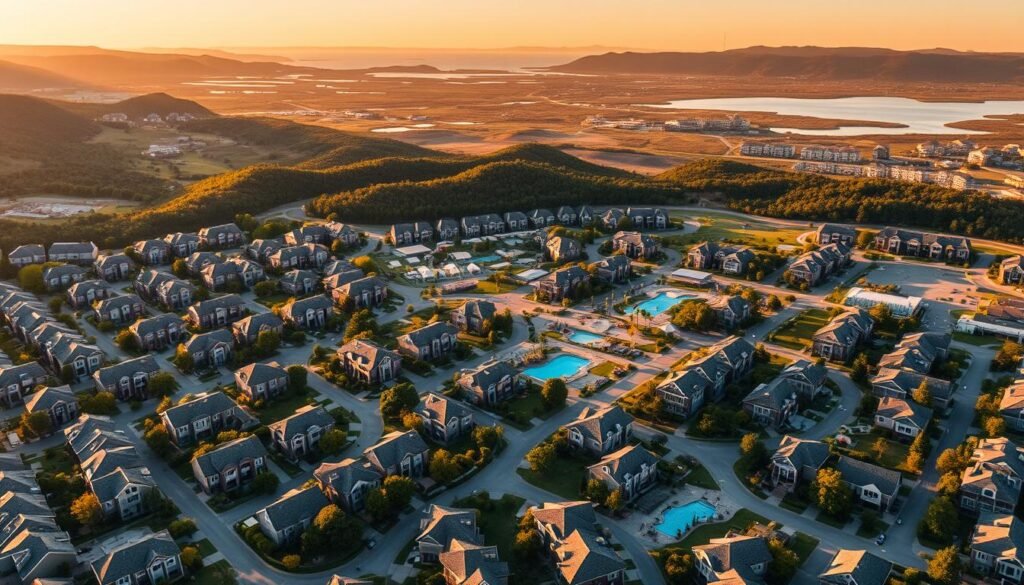
Sharing vacation properties feels like hosting a dinner party—too many guests and everyone leaves hungry. Traditional setups cram 52 property owners into one unit’s calendar. That’s enough people to field three baseball teams with substitutes.
Fractional arrangements flip the script. Picture 6-12 co-owners passing around a luxury cabin like a cherished family heirloom. I once joined a group of nine partners who collectively decided on paint colors faster than most families choose pizza toppings.
The emotional math is simple: fewer owners = stronger connections. A ski chalet shared with eleven others becomes “our mountain home.” A beach condo split fifty-two ways? That’s just timeshare purgatory.
| Ownership Type | Group Size | Decision Speed |
|---|---|---|
| Traditional | 52 | Glacial |
| Fractional | 6-12 | Lightning |
One resort manager confessed:
“Small groups treat ownership properties like family estates. Big groups? They treat them like airport lounge bathrooms.”
Exclusivity transforms everything. With fractional ownership, you recognize every face at the annual meeting. Traditional models? You’re just another name on a spreadsheet that’s longer than the property’s Wi-Fi password.
The sweet spot? Enough partners to share costs, but few enough to remember birthdays. That’s when vacation properties stop feeling rented—and start feeling like home.
Navigating Maintenance Fees and Hidden Costs

Maintenance fees hit me like a rogue wave during my first fractional ownership summer. That initial bill contained more line items than a yacht club membership—property management, landscaping, even “pool towel replenishment.” Turns out, paradise requires paperwork.
Understanding Property Management Charges
Think of property management fees as your vacation fairy godmother. They magically handle everything from fixing leaky faucets to negotiating with local tax authorities. My mountain cabin’s management team once replaced a broken hot tub heater in -10°F weather—something I’d never attempt myself.
These costs cover three key areas:
- Staff salaries (the people who smile while unclogging your shower)
- Preventive maintenance (keeping termites from becoming uninvited guests)
- Emergency reserves (for when hurricanes RSVP to your beach week)
The Impact of Maintenance Fees on Your Investment
Higher fees in fractional arrangements aren’t random—they’re strategic. A well-maintained property retains value better than a neglected one. My friend’s ski chalet group increased their unit’s resale price 18% by upgrading to heated bathroom floors through maintenance funds.
Consider this comparison:
| Expense | Traditional | Fractional |
|---|---|---|
| Housekeeping | Basic cleaning | Custom room setups |
| Repairs | Shared cost pool | Dedicated reserve fund |
| Taxes | Billed separately | Included in fees |
As our property manager says:
“You’re not paying for soap refills—you’re buying peace of mind that turns keys into welcome mats.”
Smartmanagementtransforms necessary evils into value multipliers.
Scheduling and Vacation Usage Benefits

My calendar used to look like a prison break map—one precious week circled in red, guarded by 51 other ‘inmates’ waiting their turn. Then I discovered fractional setups that turn rigid schedules into choose-your-own-adventure books.
The Perks of Multiple Weeks per Year
Five weeks minimum changes everything. Suddenly you’re not rationing beach days like cookies at a weight loss camp. Last year, I spent 10 days in spring and 18 days in fall at my mountain retreat—something impossible with traditional arrangements.
| Feature | Traditional | Fractional |
|---|---|---|
| Annual Access | 7 days | 35+ days |
| Seasonal Options | Fixed | Mix & Match |
| Usage Mindset | Scarcity | Abundance |
Freedom comes in three flavors here:
- Stack weeks for month-long escapes
- Split time between multiple locations
- Book shoulder seasons without FOMO
A resort manager once told me:
“Fractional guests actually live here—they’re the ones who know the bartender’s kids’ names.”
No more begging strangers for date swaps. Need to skip a year? Bank those weeks like vacation karma. It’s the difference between watching sunsets through a keyhole and owning the whole horizon.
Pros and Cons of Owning a Timeshare
Commitment rings and vacation properties share unexpected similarities—both sparkle with promise but demand careful evaluation. Let’s unpack what keeps people returning to these arrangements…and what makes others sprint for the exits.
Embracing the Benefits
Guaranteed getaways transform stressed planners into relaxed travelers. Your suite becomes a vacation command center—spacious enough for family reunions yet cozy for solo escapes. Resort amenities turn ordinary trips into curated experiences: tee off at dawn, spa treatments by noon, seafood feasts at sunset.
Exchange programs unlock global destinations without hotel hunting. I once traded my Arizona week for a Parisian flat—proof that smart swaps beat generic bookings. Unlike cramped hotel rooms, these suites offer full kitchens and separate living areas, letting you vacation like a local rather than a tourist.
Recognizing the Limitations
Financial handcuffs come standard. Maintenance fees arrive like clockwork, whether you’re sipping mai tais or stuck at home. Reselling requires patience thicker than a resort towel—most contracts depreciate faster than sunscreen in July.
Flexibility varies by property. Fixed weeks feel secure until life throws curveballs. My ski trip once collided with a work crisis, leaving me paying for unused mountain views. While ownership provides stability, it demands commitment deeper than the resort pool.
Choose wisely: paradise awaits those who value predictability over spontaneity. The sweet spot? Loving your vacation home enough to forgive its quirks—and budget for its appetites.
FAQ
What’s the biggest difference between fractional properties and traditional timeshares?
Think of fractional properties like a fancy cousin to timeshares. Instead of owning a sliver of time (like one week), you own a chunk of the actual real estate. More equity, fewer scheduling squabbles, and better bragging rights at dinner parties.
Do maintenance fees haunt fractional ownership like they do timeshares?
Oh, they’re still lurking—but with a twist. Fractional management fees often cover luxe perks like concierge services or private chefs. Timeshares? You’re mostly paying for the pool cleaner and that questionable lobby art.
Can I actually make money with vacation ownership?
If you’re dreaming of yacht funds, slow your roll. Fractional properties *might* appreciate if the market’s hot, but timeshares? They’re like that gym membership—great for access, terrible for ROI. Treat it as a lifestyle buy, not a Wall Street play.
How many people end up sharing a fractional property?
Picture a cozy dinner party, not a college dorm. Most fractional setups split among 4–12 owners. You’ll get weeks per year without playing calendar Tetris. Bonus: fewer strangers using your favorite coffee mug.
What’s the sneakiest hidden cost in vacation home ownership?
Property management fees that creep up faster than a resort minibar charge. Always read the fine print—those “optional” amenities or destination club add-ons can turn your budget into confetti.
Why would anyone pick a timeshare over fractional ownership?
It’s like choosing a hotel room over a penthouse. Timeshares are cheaper upfront and simpler for rigid planners. But if you want actual equity and flexibility? Fractional’s your golden ticket. Just don’t forget the champagne budget.
Are there destinations where fractional ownership makes more sense?
Absolutely. Ski-in chalets in Aspen, beachfront villas in Maui—spots where you’d actually *want* to return yearly. Timeshares thrive in generic resorts; fractionals shine where location is the main character.